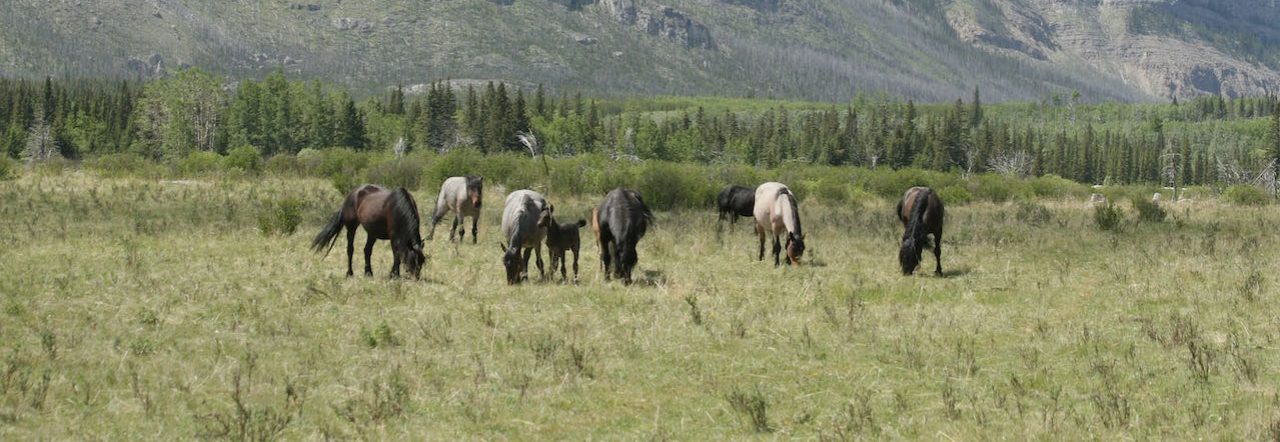
We would like to acknowledge that the Alberta Mountain Horses inhabit the traditional lands of the Stoney lyethkabi, (mountain) people.
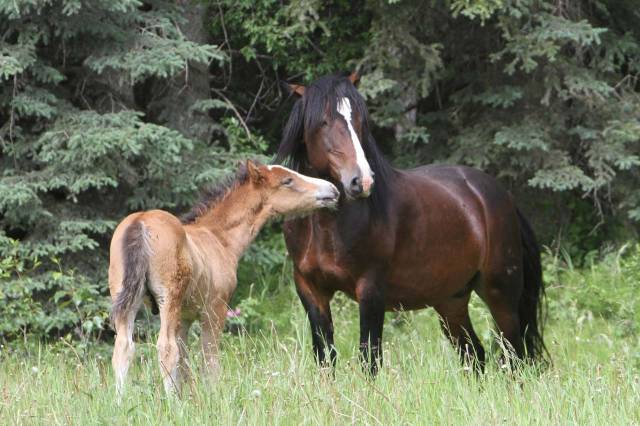
Summer time is here and the Alberta Mountain Horses are looking very good. Their coats are nice and shiny, they have gained good weight, in most cases, and the foals are thriving. Unlike what some people think, the predators are not devouring countless number of foals. Although they do take some, sickness, injuries sustained by living in the wild and occasionally a stallion can injure or kill a new foal. I have never seen this but it has been documented. Life can be hard for these precious little beauties.
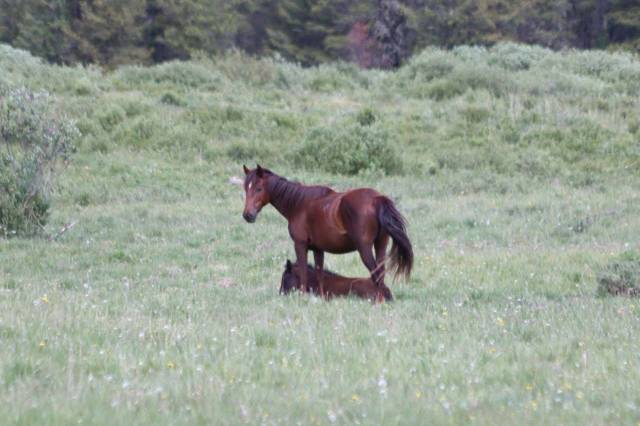
This mare, although still a little thin is looking a lot better. She is putting on weight and her coat is nice and glossy, showing she is in good condition. She stands protectively over her foal as some other horses are moving just a short distance away.
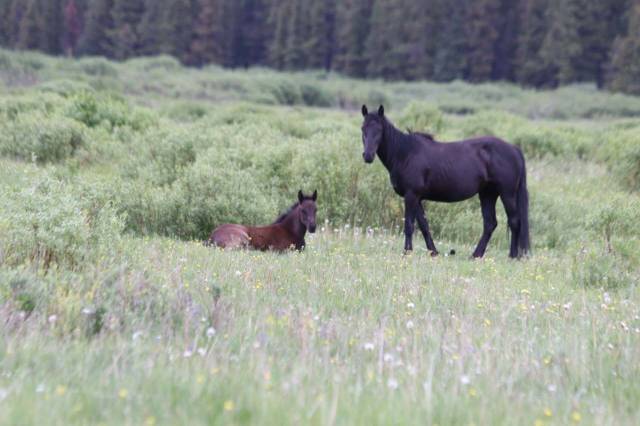
This beautiful mare was feeding quite away off from where her foal was sleeping in the sunshine and as we stepped out of the vehicle to photograph her, she quickly walked over to the foal and stood protectively beside the gorgeous little thing.
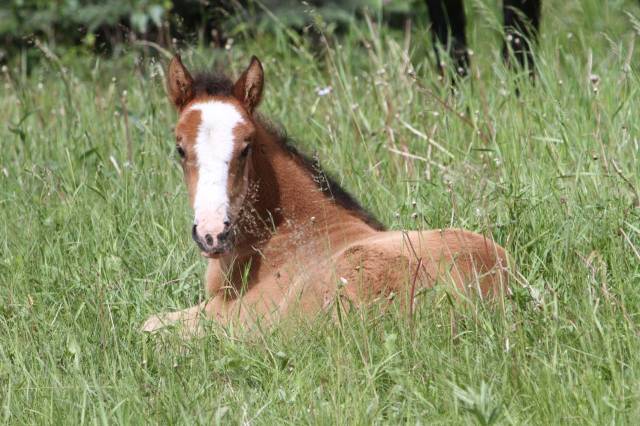
So far the rain has helped the forest and rangeland making life a little easier for our Alberta Mountain Horses, and the grass is now coming providing good nutrition for the wild horses and other wildlife.
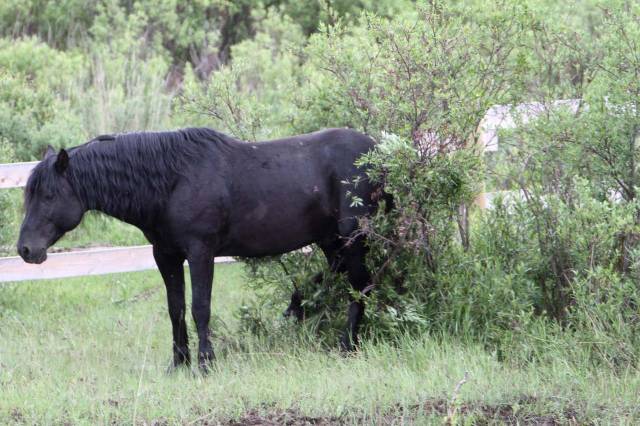
This wonderful stallion who was with his small band took time out of his herd duties to rub his body over some small brushes to get rid of an itch. The horses will also do this to alleviate the annoyance of pesky biting insects. One good this is that so far the bugs are not bad at all out there.
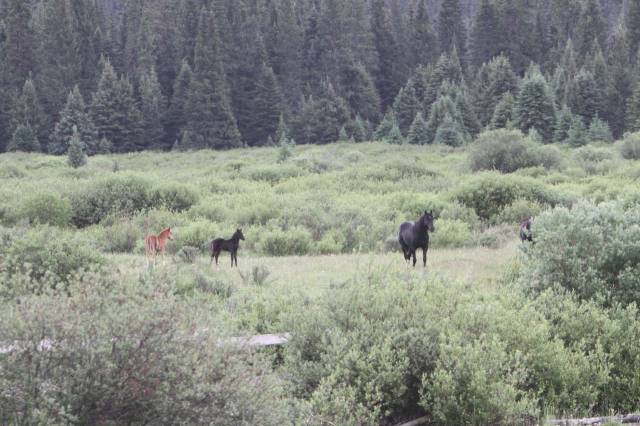
It was fun to watch these two plus a yearling tearing around until mom came over to break up the party!
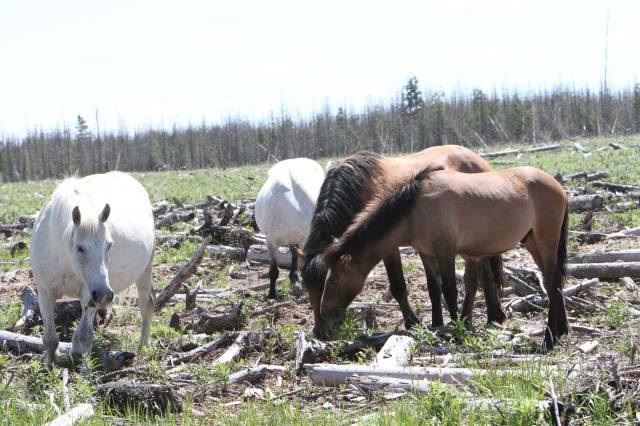
We came across this small band in a large cutblock area. The young stud along with his two mares and his yearling colt were finding the new grass that has started to grow. But I have a big question here. Are our Alberta Mountain Horses starting to lose their natural behavioral patterns as they get accustomed to so much human activity? It would appear that this so-called domestication of our Alberta Mountain Horses could become a huge detriment to their welfare. In some locales the horses seem to have lost all fear and are hanging out in these areas rather than dispersing into their summer ranges as they have done in past years.
From what I have seen from other photographs from other photographers are the herds of horses hanging out along the roadways. This is a danger to the horses and was a key point that was brought up in the government meetings about having to control the number of horses (cull) due to safety concerns. This point was really pushed by the government in some of the meetings.
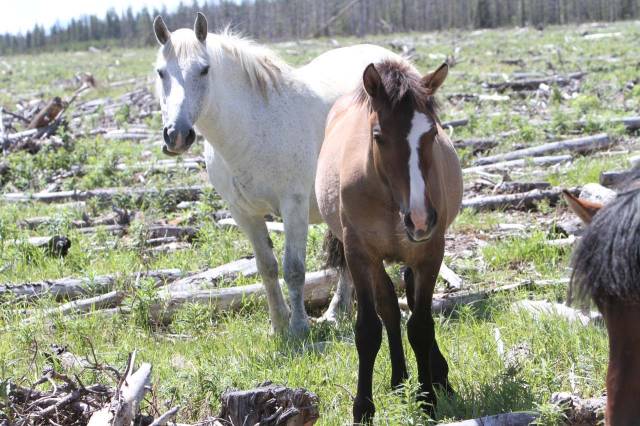
Most of the time we are out photographing the horses we try to maintain a respectful distance away from the horses using our telephoto lens to get the close up photos we like. In this case we had walked out into the opening and were busy taking pictures when this band started to approach us. This was very unusual!

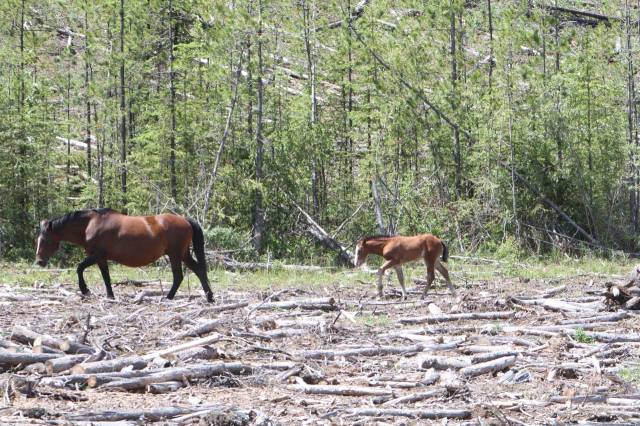
This band was in the same area but stayed far away which is the normal behavior we usually see.
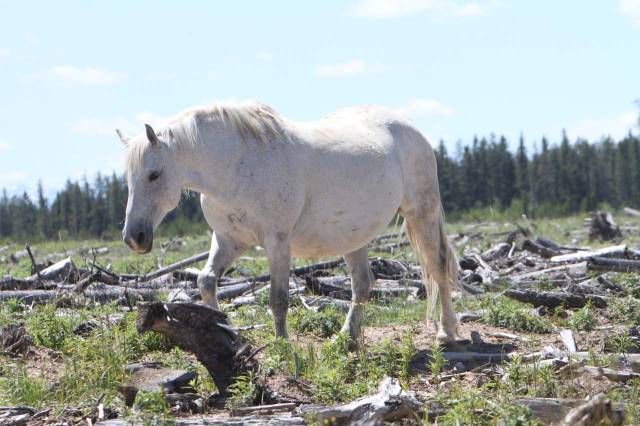
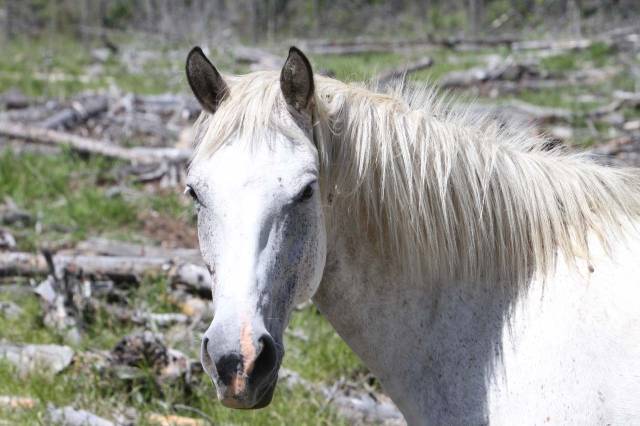
The horses showed absolutely no aggression or fear toward us, just curious. Several times I would have to push them back as I didn’t want anything to happen to them or us. We decided to slowly leave to prevent any situation arising. The one point here is that we have years of experience and have our own horses and are familiar with horse behavior. Now what if this had been an inexperienced person and something went wrong, it would have been the horses that would have been blamed. That is not right.
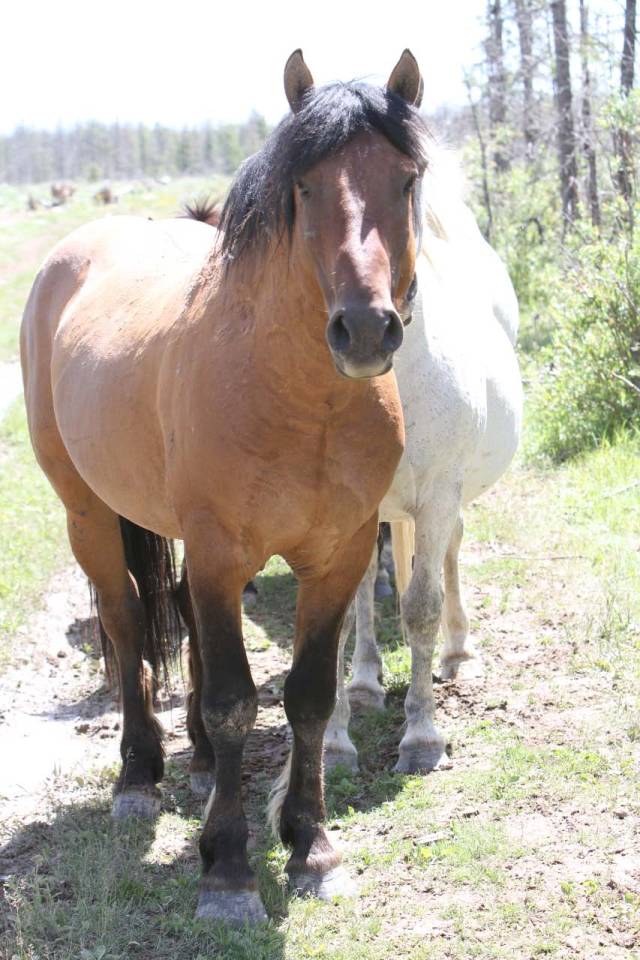
The horses followed us right back to our vehicle and I am sure given the opportunity they would have come right up to me. Beautiful horses but I fear for their welfare with this habit they now have. Hopefully they will move off and lose their curiosity.
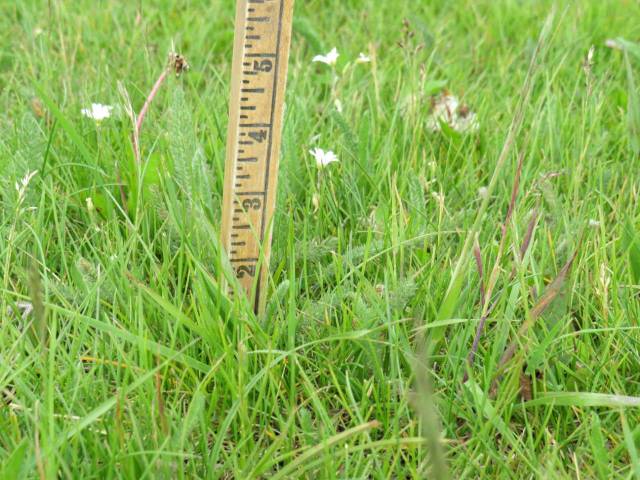
As we stated before we are actively monitoring the rangeland in several locations to determine growth rates and/or decline through over grazing. As pictured here the grass is starting to come in height but is still very sparse overall as the next picture shows.

These pictures we taken on July 10th. In this particular valley the cattle have already been put out on their summer range. One questions this choice with so little grass. More and more research is showing that cattle do have a negative impact on the rangeland. This includes soil compaction, introduction of invasive species of plants, plus the deterioration of riparian areas to name a few. These impacts affect all the wild creatures that live in our eastern slopes even the fish in the streams. No one in the government and those opposed to the wild horses are willing to look at this and would rather blame the wild horses.
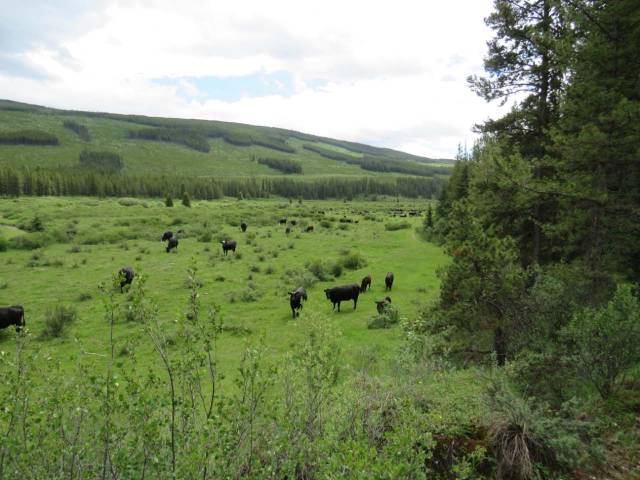
Everything looks lush and green until you look more closely. In this one valley we saw more cattle in such a small area than the total number of horses last counted in this whole equine zone. What is right and what is wrong? We will let you determine.
 Alberta Mountain Horse
The cattle not the horses rip up the grass by their root as they wrap their tongues around and rip while horses clip the grass and do not damage root systems. The horses do not leave the area like a mud bath or wallow like the cattle do. Our government officers like Todd Loewen and Danielle Smith have their own agenda and would like to see the Wildies eradicated from the landscape….mainly because the Trophy hunters and the cattle ranchers pay money to these agencies.
Linda Vince Alberta resident for 76 years
LikeLike