Turmoil In Alberta Mountain Horse Country

We would like to acknowledge that the Alberta Mountain Horses inhabit the traditional lands of the Stoney lyethkabi, (mountain) people.

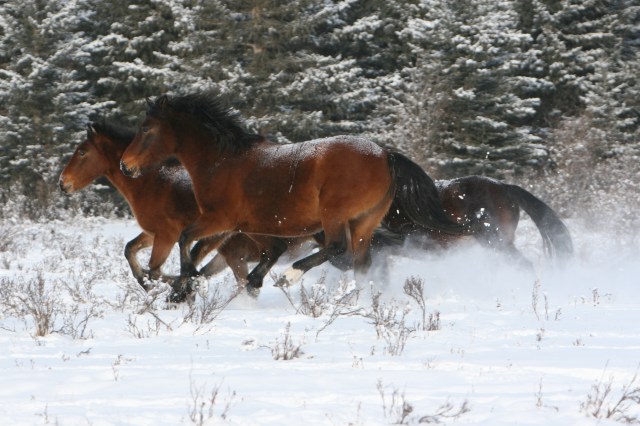
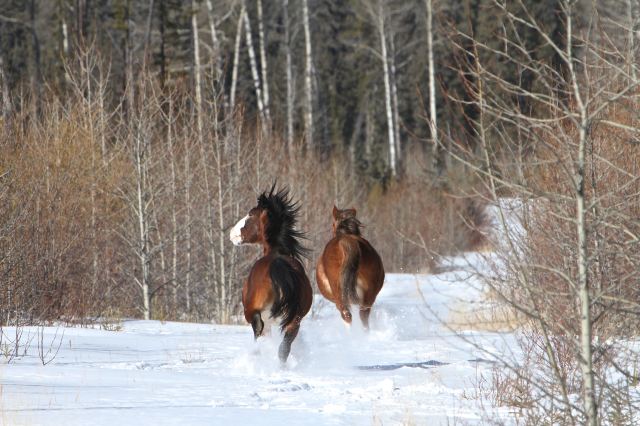
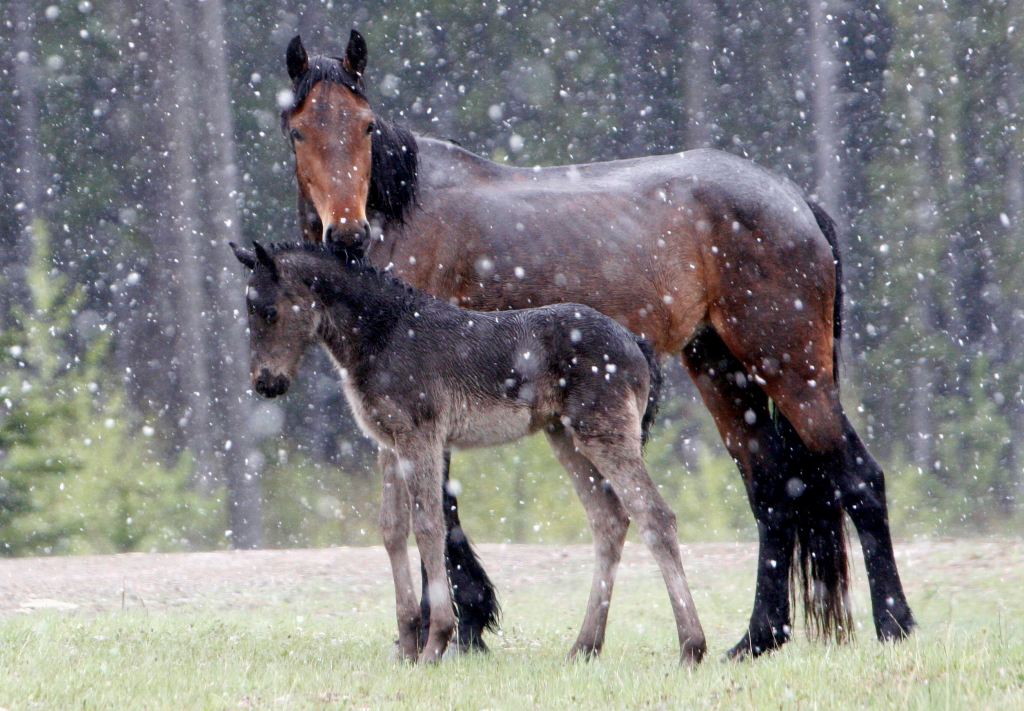
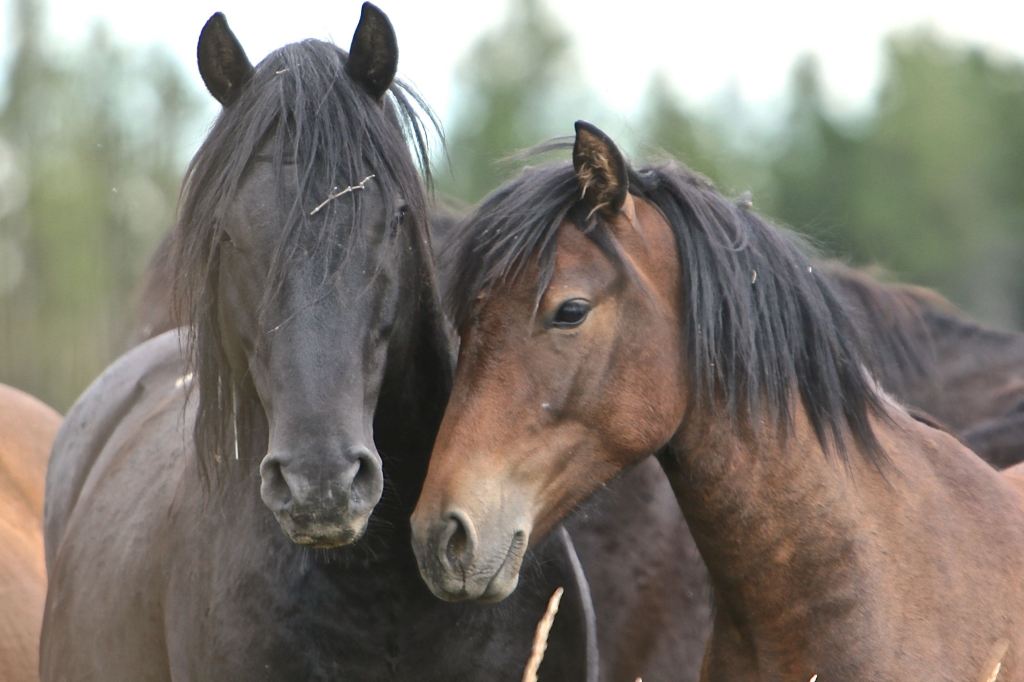
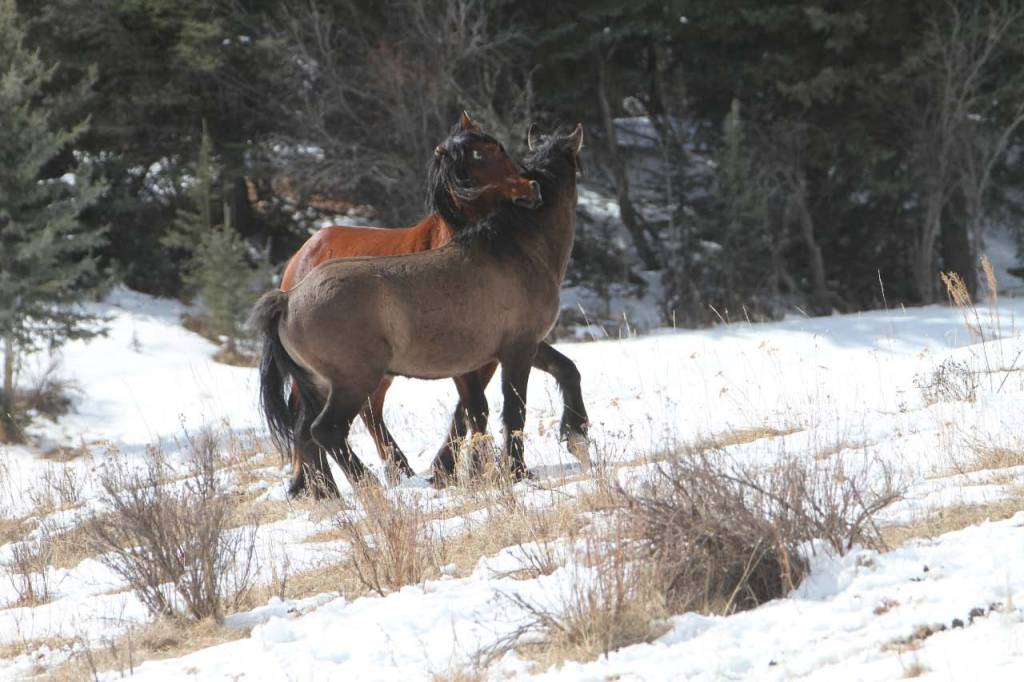
Besides these two boys having a scrap, there is a lot of negative things happening around the Alberta Mountain Horses. The government has decided to go ahead with plans to remove a number of wild horses and also to apply a contraceptive vaccine to an undetermined number of wild horse mares. This is despite all the information that has been presented to show that at this time there is really no need to do so. For the last 10 years no capture season has been undertaken and the population of the Alberta Mountain Horses has stayed relatively stable, in fact some years it has gone down. So why now?

Is it because of the pressure from only 33 grazing allotment holders who want all the grass for their cattle? Maybe those opposed to the wild horses who have deep pockets with the government getting their way. There has been so much information to show that no matter what these opponents to wild horses say, it can be proven to be false. To us it is quite obvious that the minister, Todd Loewen, has been very untruthful to the citizens of Alberta and he is in direct conflict of interest.

In order to implement these two programs, the government has entered into a memorandum of understanding (MOU) with WHOAS and has effectively shut down any other advocacy group and the general public from having a say in these decisions. WHOAS mission statement – “Wild Horses of Alberta Society’s mission is to ensure the provision of all aspects of the conservation and humane treatment of wild horses in Alberta. We are committed to the preservation of these magnificent animals in their natural environment.” – is no longer true despite them defending their actions on their Facebook page and website. It has always been the goal of the current president of this group to remove horses every year. This individual has even stated to the previous minister and other rangeland officials, that 20 per year should be removed. This is fact, not hearsay. This is so sad and what a lousy legacy to leave.

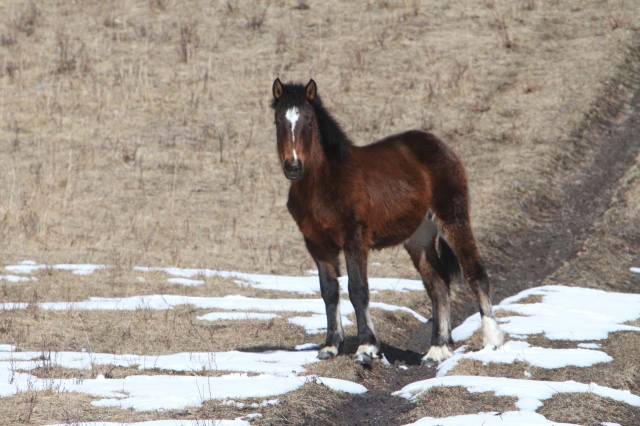
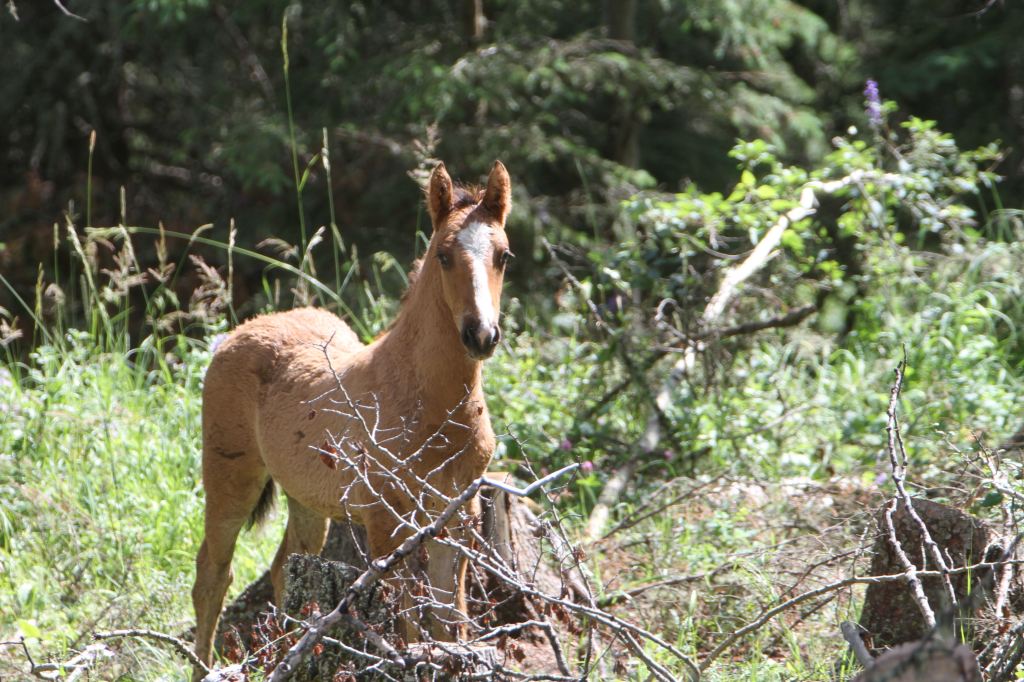
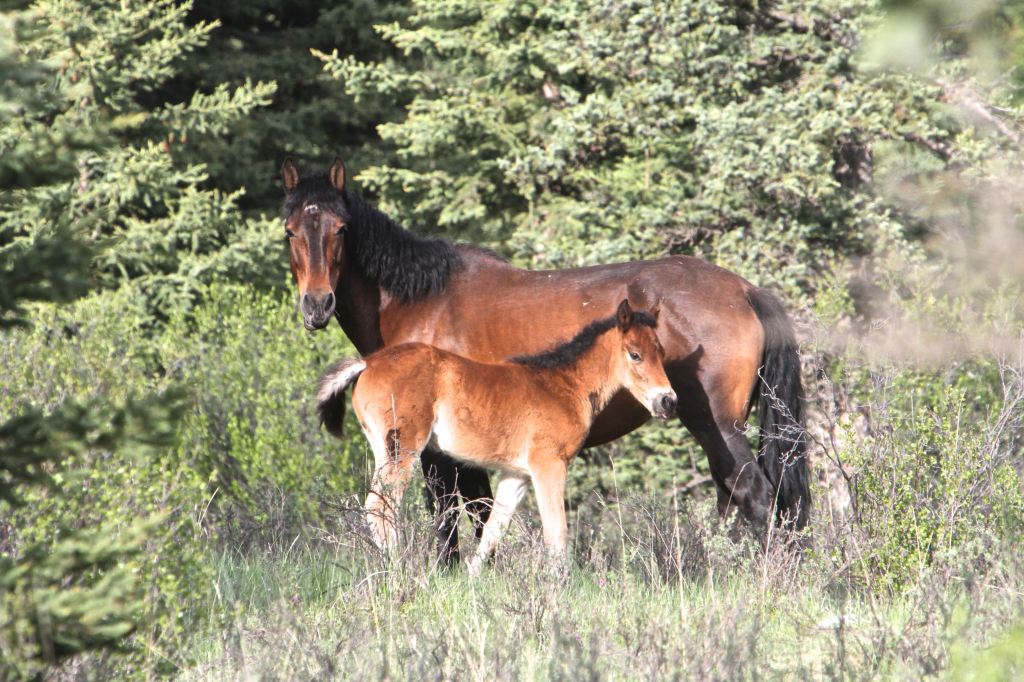
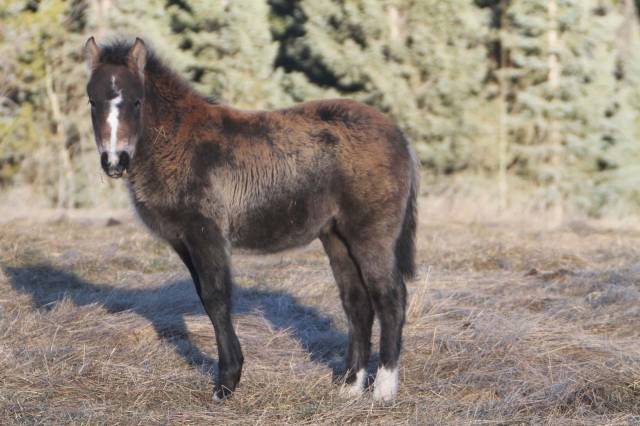
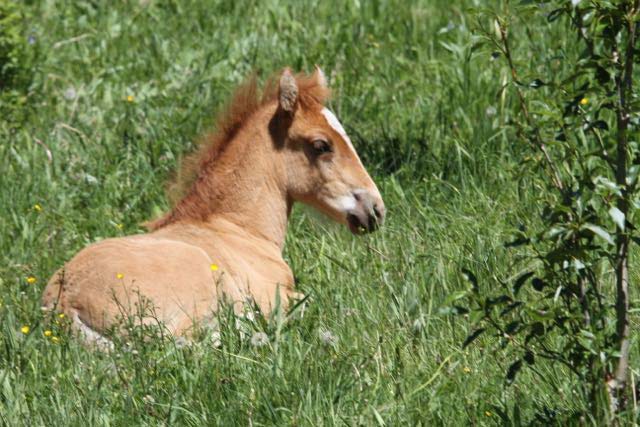
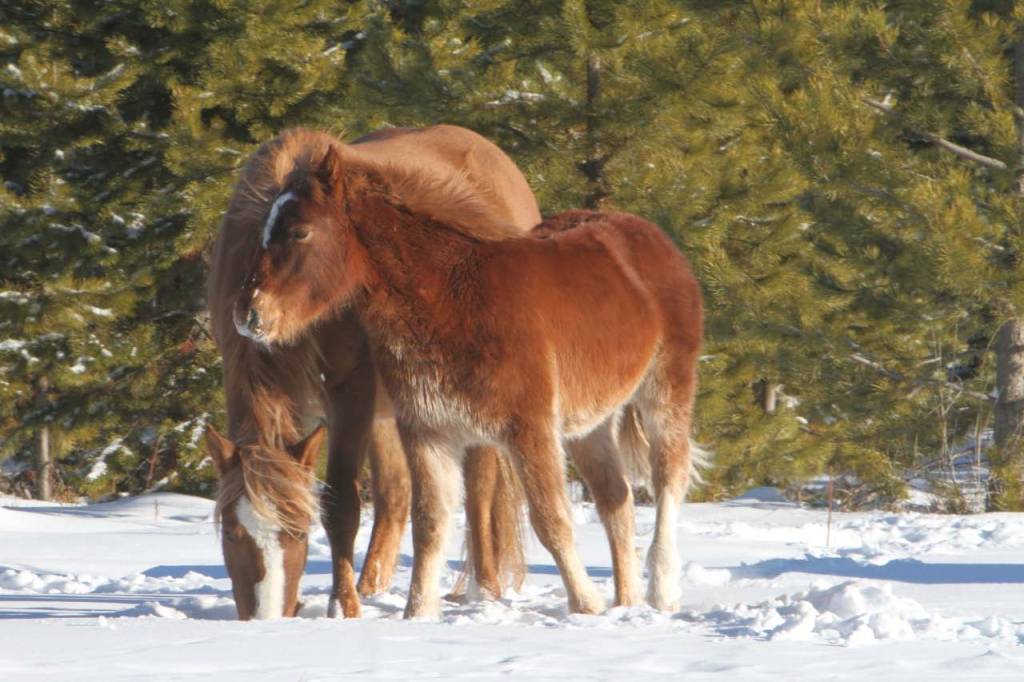
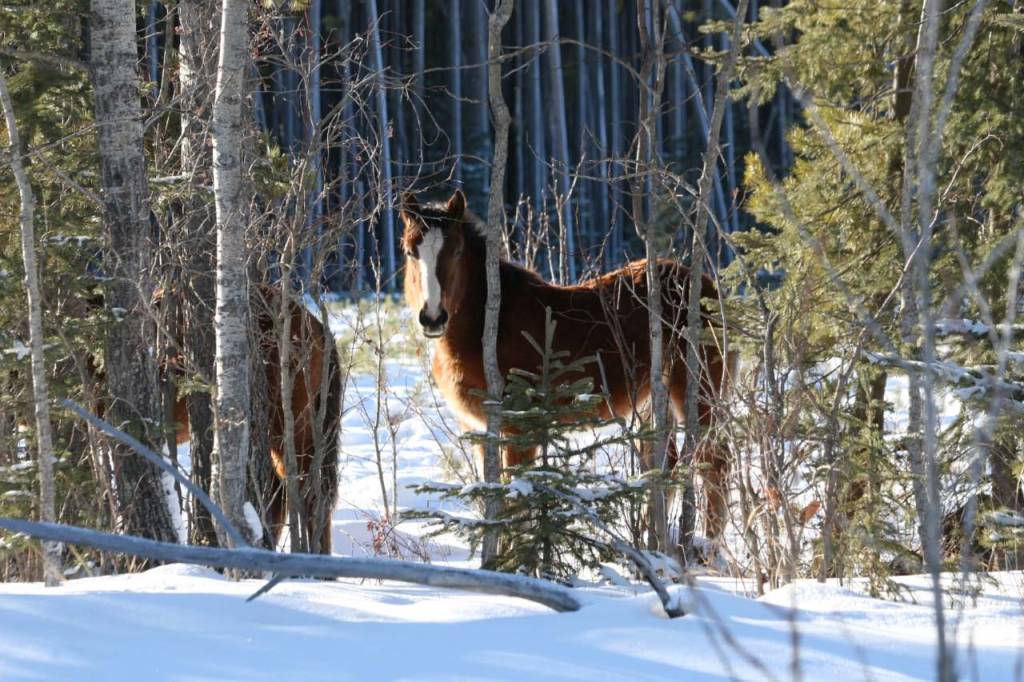
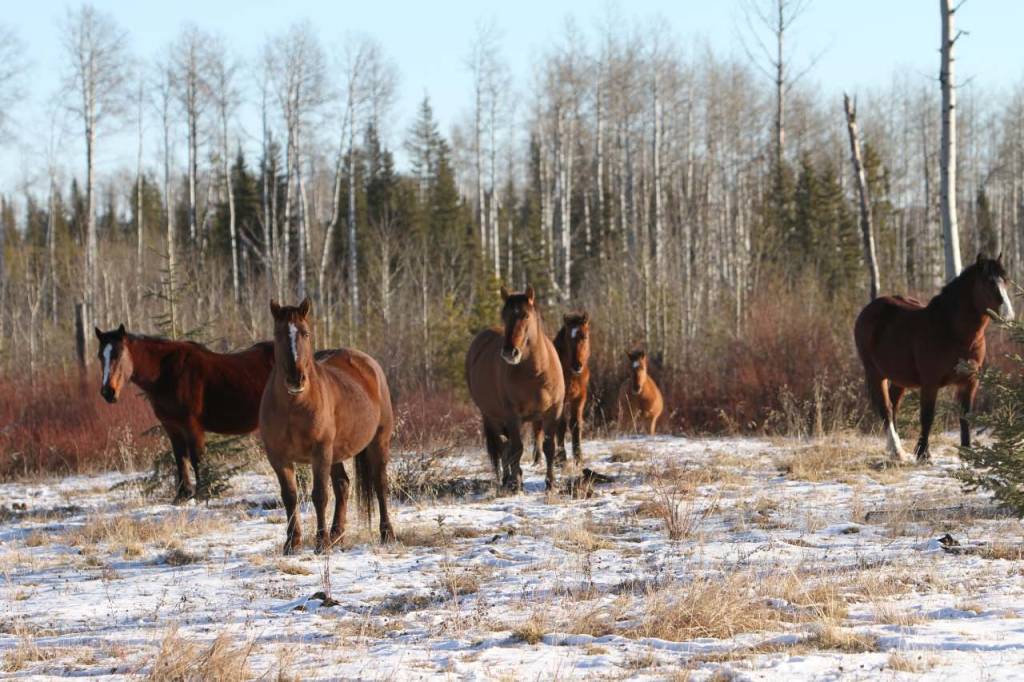
The target of this MOU is to take little ones like this, because they are supposedly easier to find adoptive homes. It is obvious to some of us that this adoption program has not been that successful since some horses have been sitting in their holding pens for over two years. Why? Because they were holding them for a Trainer’s Challenge event to supposedly sell them for higher prices, to make money off these beautiful creatures! This was never the original plan when WHOAS started the adoption program back in 2013. That is also why they became a registered charity at that time knowing that just to adopt the horses did not cover all the costs of taking care of them. They are planning another trainer’s challenge this year. So individuals who have been donating to WHOAS thinking they are helping to save them are in fact just supporting their efforts to remove the horses from the landscape and thus make money.

This MOU that has been undertaken as of January, 2025, also states that the government will be granting them money to support their infrastructure. Does this mean a new capture pen system? This is your Tax dollars at work supporting a small group of wild horse opponents against the wishes of the vast majority of Albertans.

The other point is that the contraception vaccine that they plan to use has not been approved for use in Canada and thus an emergency drug release (EDR) has to be applied for through the CFIA. The money for this program we believe is coming from the drug company, SpayVac for Wildlife, Inc., and the University of Calgary, where the two veterinarians who will administer the program operate from. Again we find this to be very upsetting because at present it is totally unnecessary to interfere with the natural lifecycles of these wild horses. LEAVE THEM ALONE!

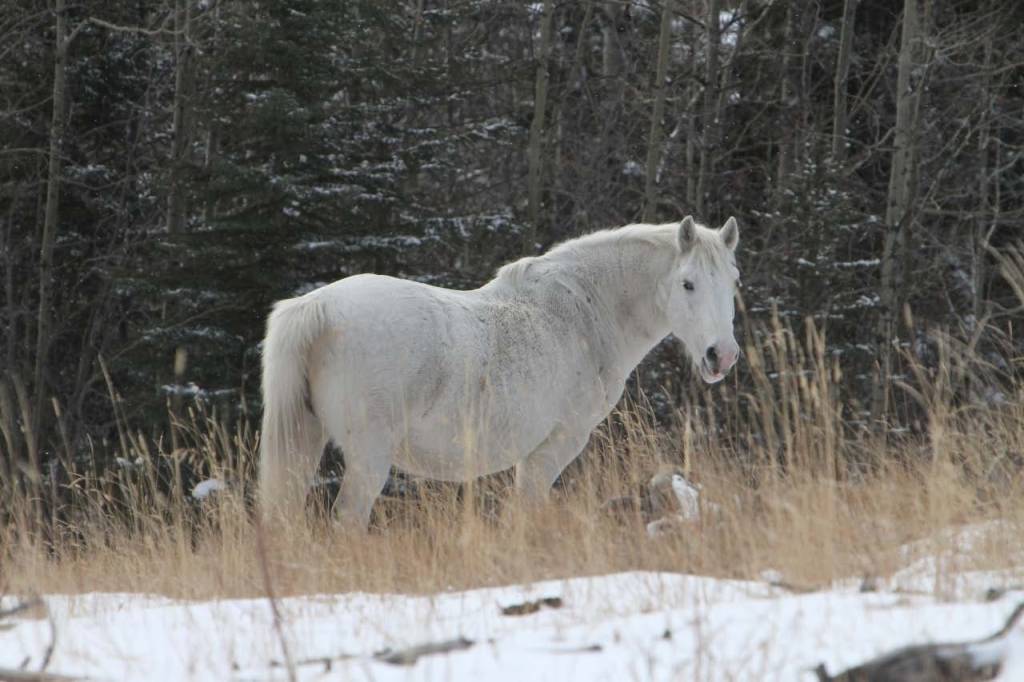
A lovely very pregnant mare.

The decisions being made in reference to the carrying capacity of the equine zones under the Feral Horse Management Framework is being done by Mike Alexander, Director Rangeland Conservation and Stewardship, and his staff. Now this is the same individual who told a couple of our members that horses only cycle twice a year. Quite the insight on horses!!

Some of these carrying capacities are the reasons they are using to reduce numbers in certain areas. Again where are these carrying capacities for the number of horses in each equine zone coming from? Could it be from the Rangeland Assessment Reports that they even show that it is not the horses doing the damage to the environment? The horses are being used as scapegoats to appease a very small number of groups who oppose the horses.

This MOU with WHOAS and the decision to go ahead with these two programs was done completely behind closed doors without any consultation with other advocacy groups and our First Nations partners.

This is a disgrace and very upsetting to those of us who really do care about the environment, ecosystems, wildlife and of course our Alberta Mountain Horses that in habitat our public land. The refusal of the government people to accept true and factual information that is readily available to all, acting only on their own preconceived prejudices and the money stakeholders, is truly a shame.

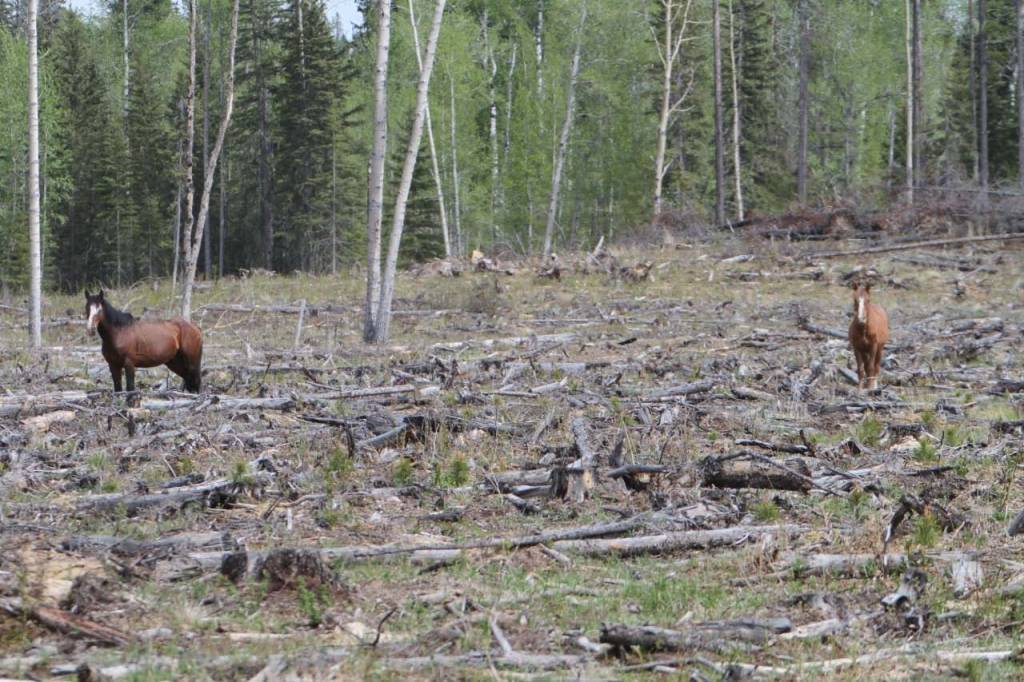
Horses absolutely did not do this damage.

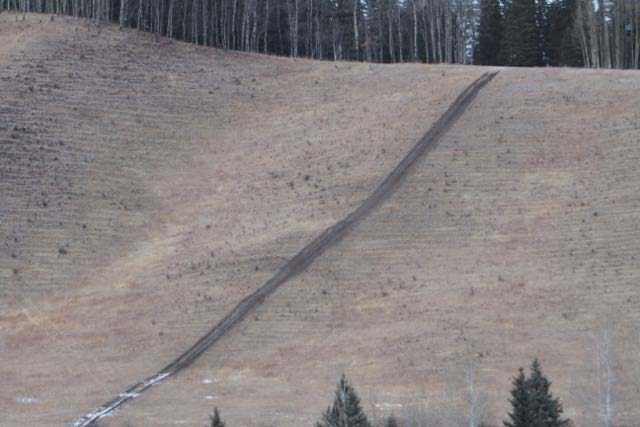
We include this picture that shows damage to a pristine hillside done since 2022 by some ATV users. The damage has gotten much worse through runoff and overuse since last year. Just for a note, there are no ATV trails on the top of this ridge. So why are they going up there? The same rangeland management director, Mike Alexander, was contacted back then and still has refused to take any steps to stop this damage to the environment he is supposed to be taking care of. Instead they want to go after the horses.

So what can you do? Sign the petition if you are against culling of our Alberta Mountain Horses. Sign the petition if you want to see our Alberta Mountain Horses given a “naturalized species” designation and then better protection.

Petition to Save the Alberta Mountain Horses

Continue to email or write the Minister Todd Loewen and the Premier Danielle Smith. You likely won’t hear back from them but we need to keep filling their inboxes. I find it upsetting that they were elected to represent the people of Alberta but are seemingly dedicated to their own self interests and that of their friends. A sad state of our democracy.

Tourism and Alberta Mountain Horses

We would like to acknowledge that the Alberta Mountain Horses inhabit the traditional lands of the Stoney lyethkabi, (mountain) people.

Over the years we have heard from the government and those opposed to the wild horses, that they have no economic value. Rubbish! As people become more aware that we have these iconic Alberta Mountain Horses, more and more are wanting to travel to Alberta to visit and photograph them in their natural surroundings.

The wild horses represent the free-spirit of Albertans and Canadians, which is becoming more important considering all the other things that are happening in this country. These magnificent horses have roamed throughout the province for a very very long time and embody resilience and freedom. The Alberta Mountain Horse holds a special place in our cultural and historical story. They are the enduring bond between nature and humanity. Understanding their rich history and current challenges will help us appreciate the complex legacy they carry and underlines the importance of ensuring their continued existence on the Alberta landscape. One of the best ways of doing this is through tourism and what better time to take advantage of this when more and more people are staying in Canada to enjoy all that this country has to offer.

Dr. Claudia Notzke, wild horse advocate, published a report based on a survey which showed an overwhelming number of respondents were interested in wild horse tourism. Her 2008 report was titled “The Role of Tourism in the Management and Protection of Wild Horses”. In the series of podcasts from The Wildie West, the latest interview was with Sandy Sharkey, a world renowned photographer. She talked about wild horse eco-tourism, outlining the great increase in people seeking out such an adventure. Here’s a link to the podcast.

https://msha.ke/thewildiewest

On top of the world!

People from around the world continue to come to Alberta to witness the beauty of our province but especially that of the Alberta Mountain Horse. Over the years we are also seeing more tourist destination locations in the foothills starting to cater to this phenomenon. The one we are most experienced with is Sunset Guiding whose operators are so passionate and protective of the horses. They have rescued wild horses themselves and if you visit them they may introduce you to one of them – a first hand experience! They also have the odd herd come into camp to visit. Here’s a link to contact them and you can also follow them on their Facebook page.

www.sunsetguiding.com

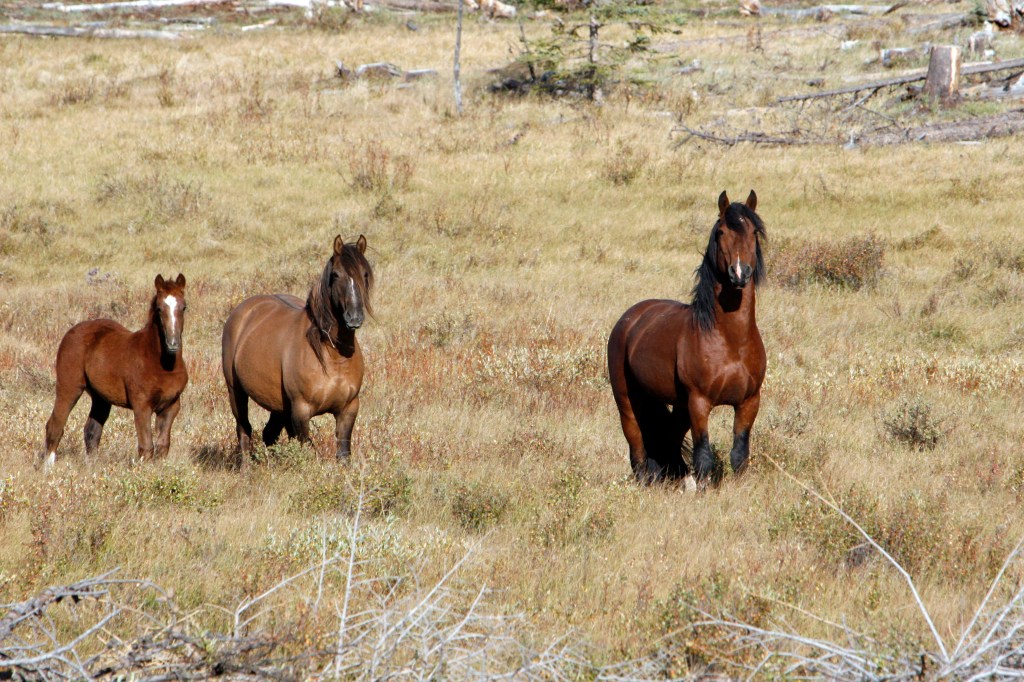
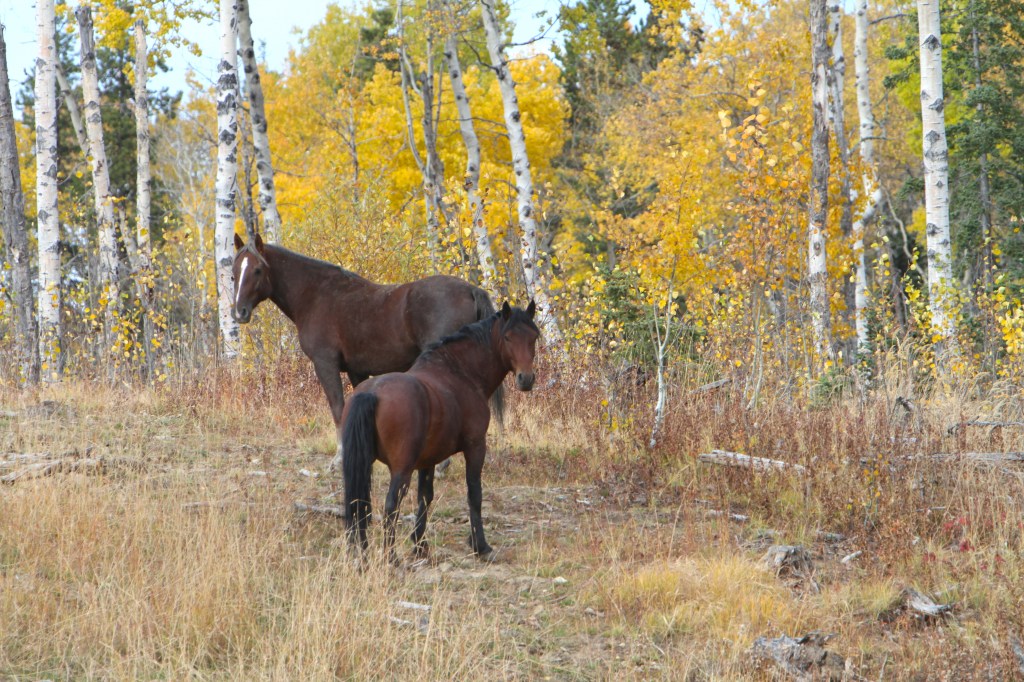
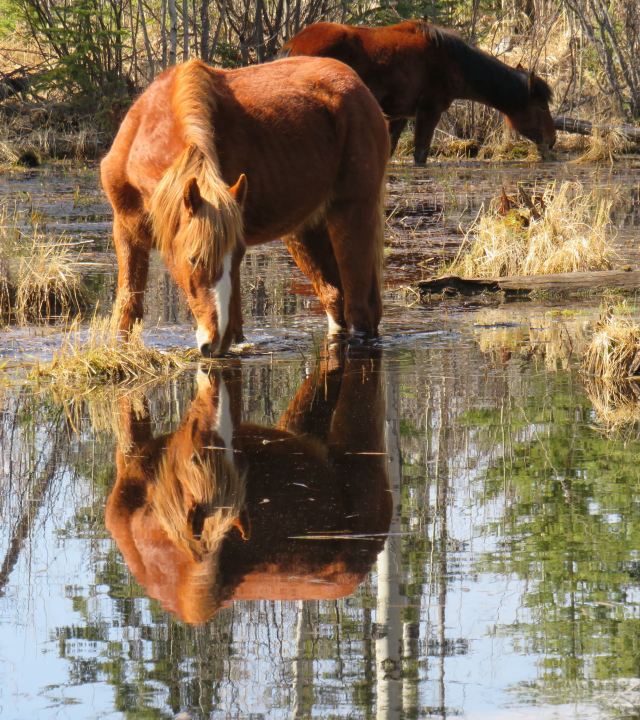
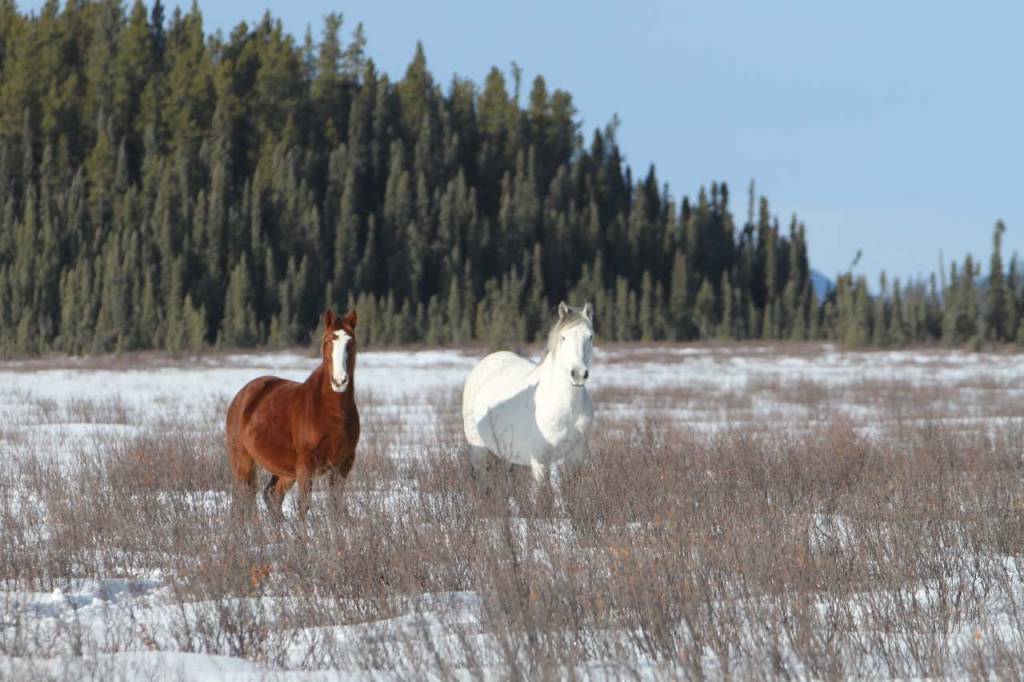
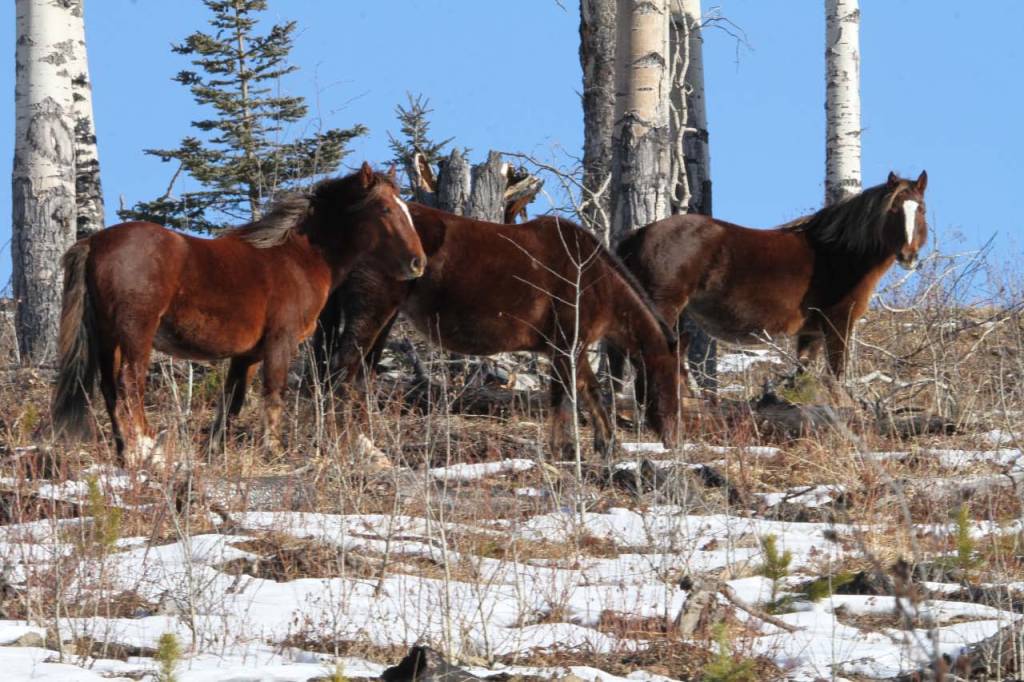
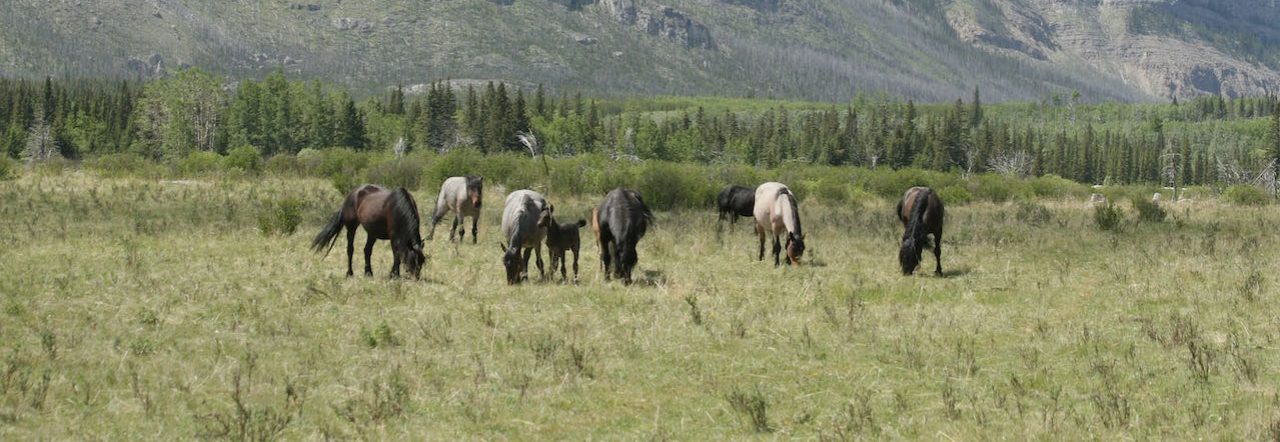
Here are some pictures of the Alberta Mountain Horse and other wildlife you can see when you visit our beautiful province. These are some of the foals from past springs and if you come in the spring and early summer months you will be able to witness the new generation of beautiful horses.

No matter what time of year you come, you will have an opportunity to photograph and visit the herds with ever changing seasonal backgrounds.

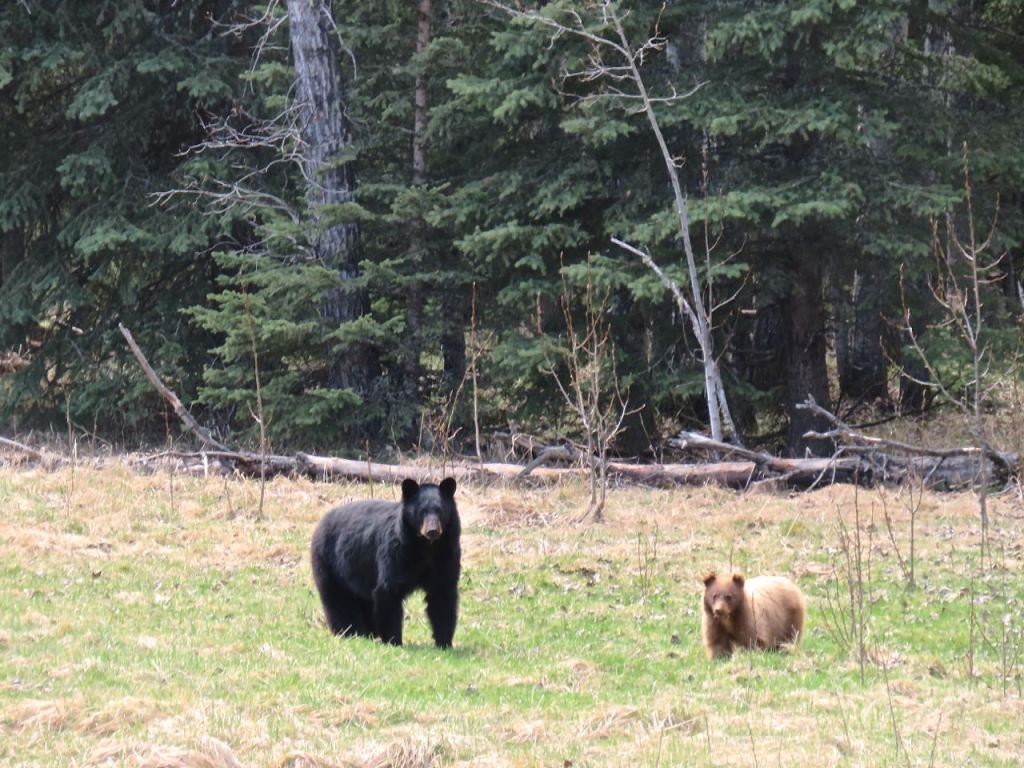
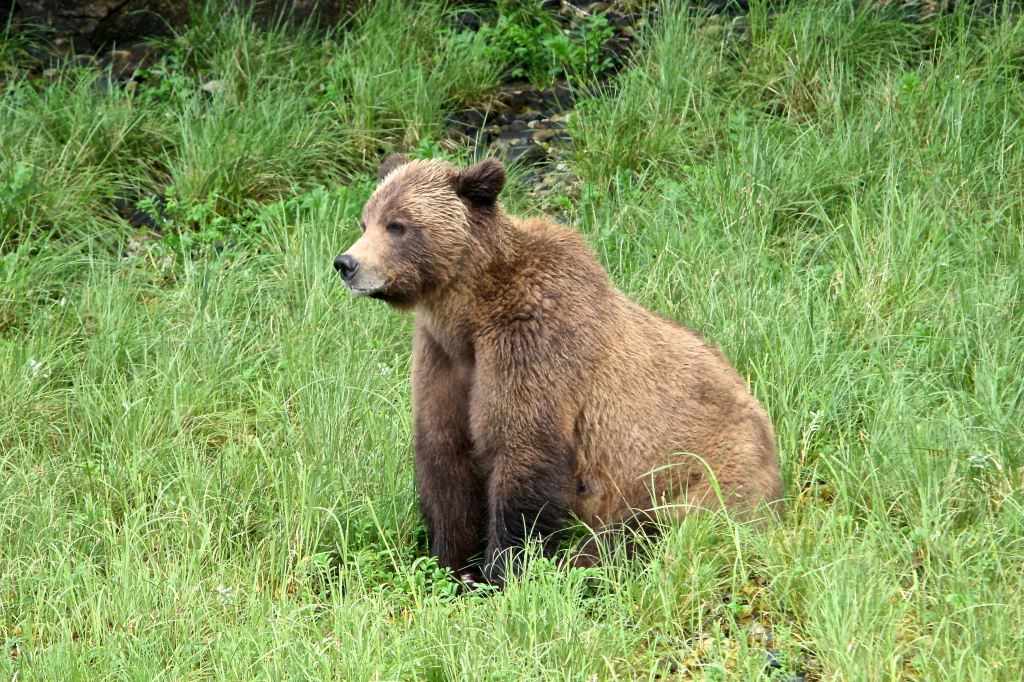
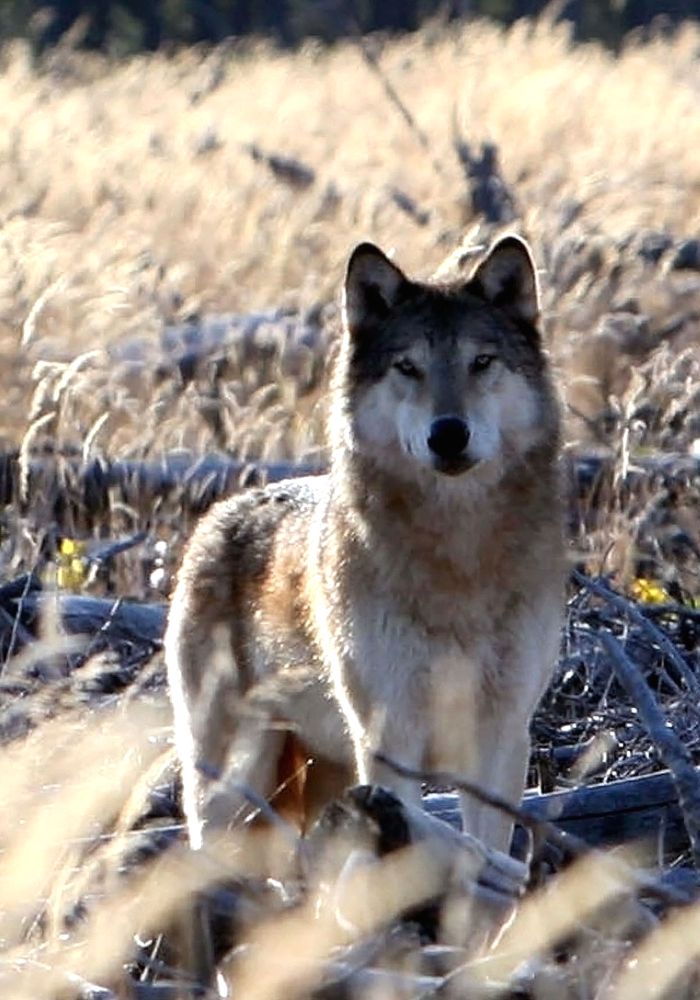
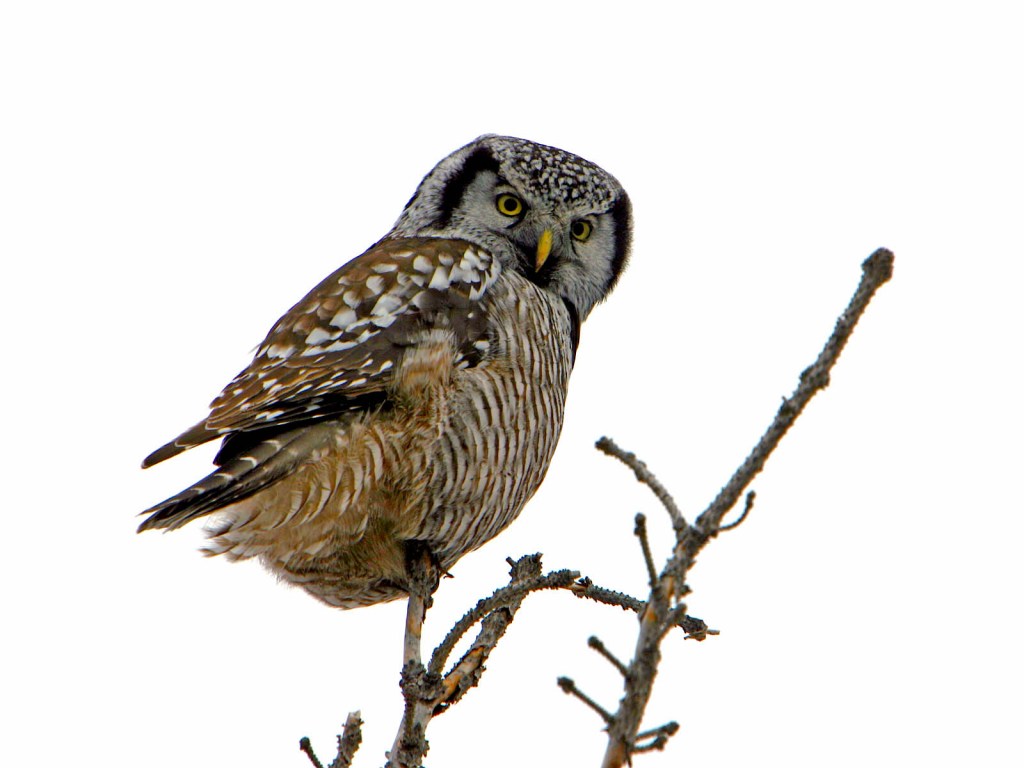
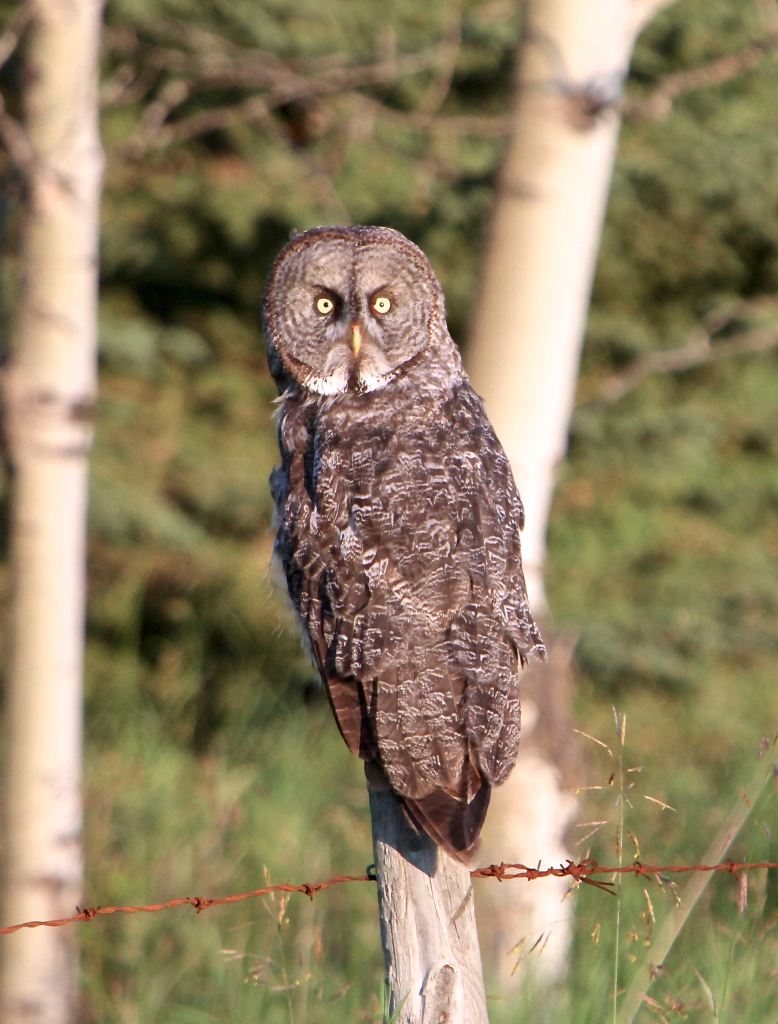
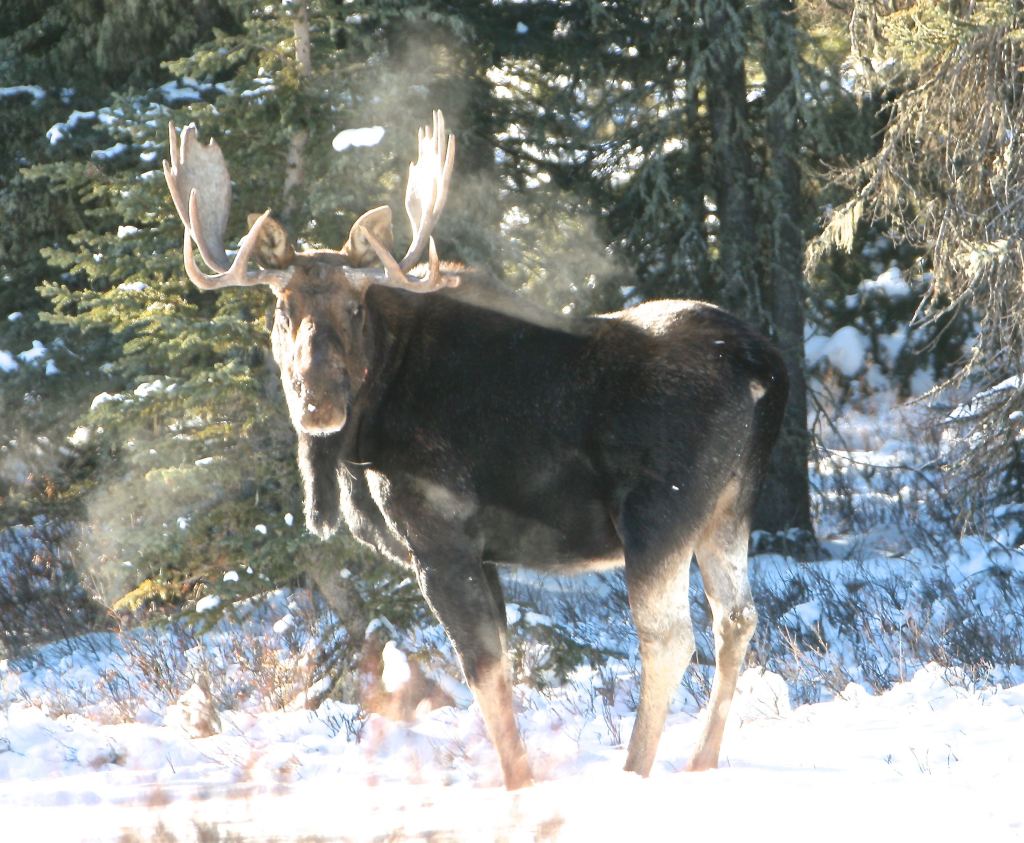
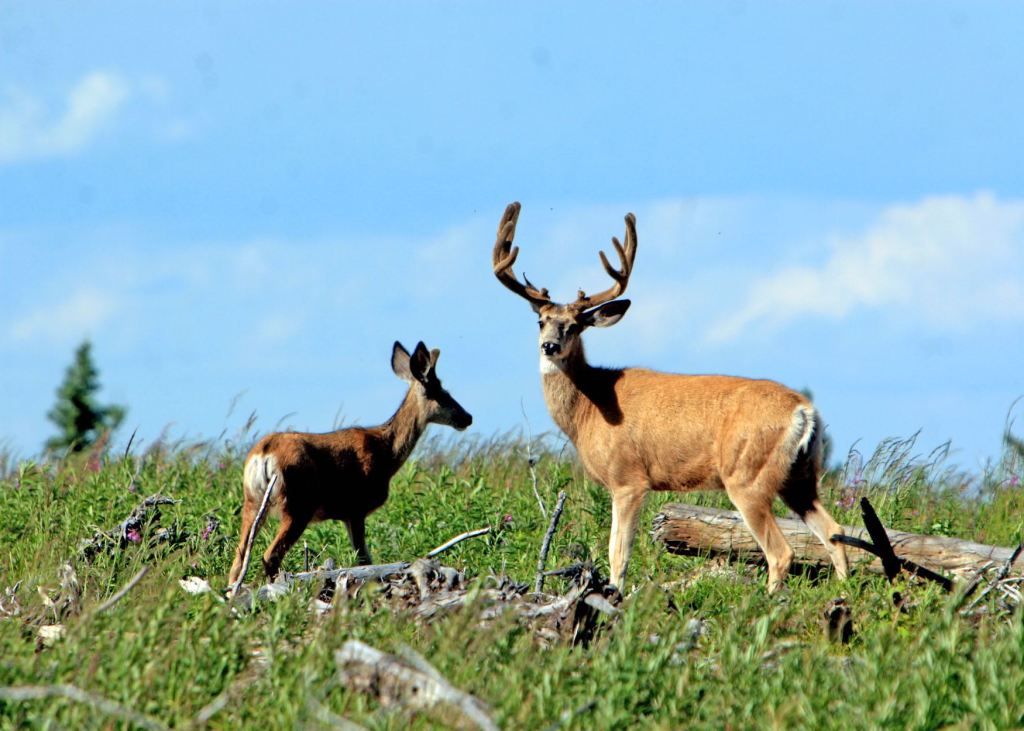
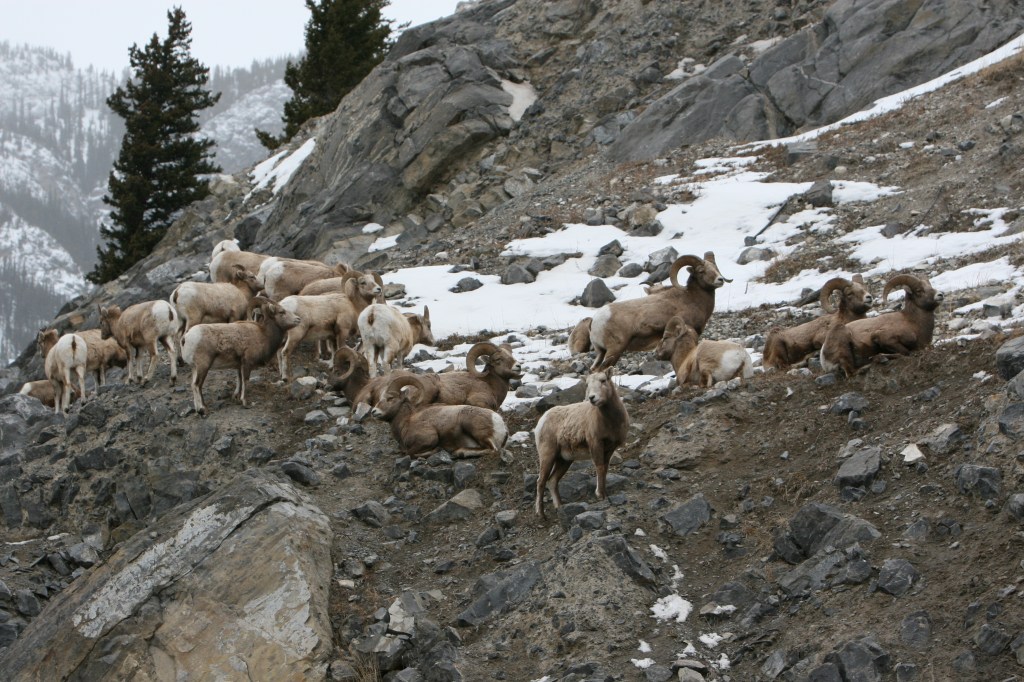
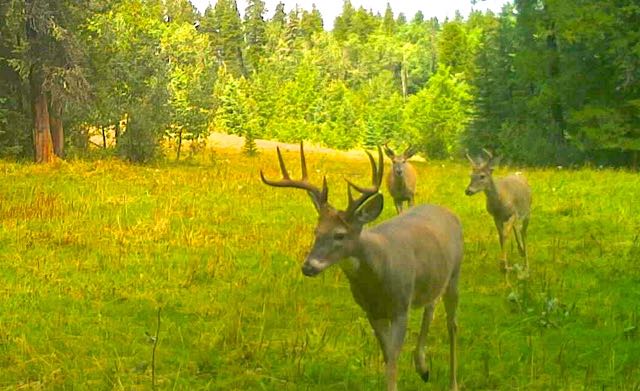
There is so much other wildlife that you may have the opportunity to witness. All these creatures live throughout wild horse country with the Alberta Mountain Horses.

Your tourism and support can definitely help us in our struggles to protect and save our Alberta Mountain Horses. So pack your bags and cameras, stay here in Canada and visit us here in Alberta. You will find our hospitality to be friendly and welcoming. “Elbows up!”

Did You Know – Part 4

We would like to acknowledge that the Alberta Mountain Horses inhabit the traditional lands of the Stoney lyethkabi, (mountain) people.
Over and over again we hear from Minister Todd Loewen, his government officials and those opposed to the Alberta Mountain Horses, that the depletion of the native grasses in wild horse country, is because of the horses. In this segment we just wish to present a few more facts surrounding this misinformation.

The basis of the government’s claims lacks a lot of scientific basis and lacks proof of range damage by the wild horses. Even their own government rangeland assessments continue to show this fact (it is not the horses). Many of their claims definitely are not based on available research and as Wayne McCrory in his report states ” these claims were contradicted by a number of scientific studies available their technical staff.” In 2015 even the head of the advisory committee admitted that they could not point out any sites within the Equine Management Zones (EMZ) where confirmed horse range damage occurred. As recently as this past year an assessment of these reports by an agrologist, Brian de Kock, highlighted this point.

So what other contributing causes in the depletion of the range, besides chronic overgrazing in the EMZs? One of the biggest factors that has been documented is brush encroachment. Dr. E. Bork from the University of Alberta has done several studies on this problem and presented the results of his findings many times to the FHAC and the government. It is extremely noticeable in the more open valleys of the Sundre and Clearwater zones.

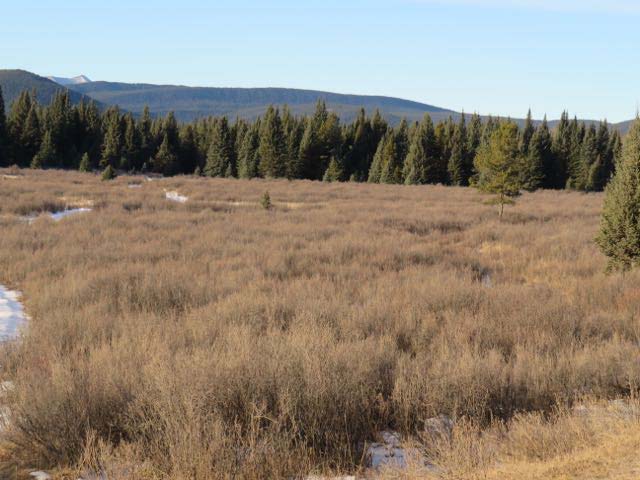
These pictures show the extent of brush encroachment in these prime rangeland valleys. Previously our Indigenous people used fire to clear the brush and improve the range for wildlife that they harvested to maintain their lives. This does not happen anymore and the amount of grass available to wildlife, horses and cattle is greatly diminished. In the early spring and summer the grass in the open spots can be abundant however, by the end of summer the cattle have grazed it completely down, leaving nothing for the wildlife in the winter. Also because of the brush, the cattle on the range are forced into more concentrated areas, compacting the soil and further diminishing the quality of the habitat. Remember there are 60 times more cattle than horses for 6 months of the year.

What we have found is that the horses can range in these areas finding grass underneath the scrub brush that the cattle are unable to reach. In one small area around Radiant Creek in the Clearwater, Trout Unlimited has tried a 20-acre brush clearing to try to improve the range and riparian zones for the native bull trout. We commend them also for erecting fencing along several large portions of both Radiant and Elk Creek in order protect the banks from erosion and cattle damage.

One other cause of rangeland damage that has been documented and reported in many locations is the destruction caused by irresponsible ATV users. First of all most of the ATV users out west do show respect for the land and other users. We have encountered this many times ourselves when riding our own horses and come across people on ATVs that they shut their machines off out of courtesy. However, there are those odd few that just don’t care.
This hillside behind the Red Deer River Ranger Station had been pristine for many decades. It has been used by wildlife in the winter and springtime as it is cleared by the chinook winds and warm sunshine. Now because of the few reckless individuals, they have torn it up and the erosion is getting worse every year. You can even see where they have cut across the hillside causing even more damage. Why? When I first noticed this 2 years ago I sent a message to Mike Alexander, Director, Rangeland Conservation and Stewardship Section, of the Alberta government, who is also a key member of the FHAC to complain about this and asking for intervention. Nothing at all was done. Yet if a horse was on the hillside, they would be complaining that there’s too many and they should be removed.

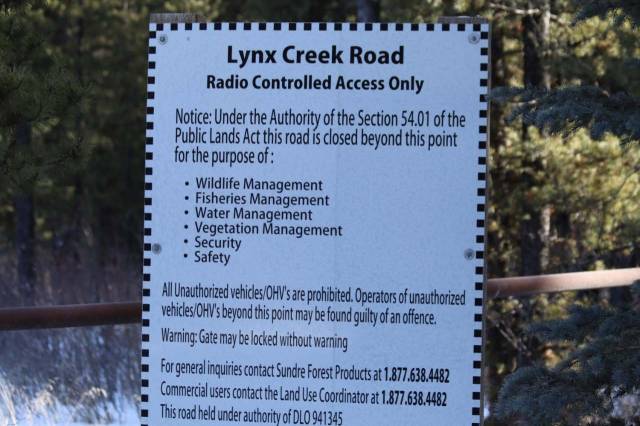
This sign clearly shows that if they wanted to do something they could under the Public Lands Act as noted above. It is so discouraging that they would do nothing about this but keep laying the blame on the horses that there are too many of them and they have to be removed.

Basically what we are trying to say is that Minister Todd Loewen and his officials are scapegoating our beautiful Alberta Mountain Horses while ignoring all the other contributing factors and the cumulative effect that they are having on our public lands. Quit blaming the horses and the wolves (that’s another story!).

Did You Know – Part 3

We would like to acknowledge that the Alberta Mountain Horses inhabit the traditional lands of the Stoney lyethkabi, (mountain) people.

One of the biggest arguments being used against our Alberta Mountain Horses is that they are consuming the available forage in the Alberta equine zones and thus taking it away from the cattle and the other wildlife. The government is continually feeding us misinformation to justify their attack on the horses. Now I will be the first one to admit that I do not have a degree in agronomy but these observations are based on over 60 years of experience in the Alberta foothills and mountains.

Grass is one of the most hardy and diverse plants and despite overuse will always come back the next year. However over a period of time it can be degraded and its biomass reduced through chronic overgrazing. In my observation over the years this is what is now happening. It is definitely not the horses that are doing this, but it is the cattle that are responsible. Several well known scientists and agronomists have documented and researched this which shows that only over grazing decreased grassland biodiversity. Also, it was determined that above ground biomass is more sensitive to grazing than below ground biomass. Then when you include drought conditions by the end of summer in areas where cattle grazing has taken place, there is absolutely nothing left.

Another factor to consider is that other plants including noxious weeds take over in areas that have been overgrazed. Weeds are seldom a problem in vigorous, well managed rangelands. These weeds diminish the productivity of an area, threaten biological diversity, but reduce structure and function and sustainability of the ecosystems. Another reason that overgrazing negatively affects the range. Over grazing not only affects rangeland health, but also has a very large negative impact on all our wildlife that calls these lands home.

One has to consider the difference between cattle grazing and horse grazing. Cattle graze by using their tongues to wrap around the plant and pulling it up. At times that can be the whole plant including the roots. Horses in the meantime are constantly on the move and use their front incisors to nip off just portions of the grass as they move about. One of the arguments used to allow the cattle onto the public lands is that they mimic the buffalo in grazing patterns, and thus allegedly reducing the fuel for fires. However, again this is not true fact. Cattle move into a particular part of the lease and will camp there until the food source is gone then only then will they move on. Horses on the other hand are constantly on the move never staying in one place too long and this is how the vast herds of buffalo used to keep the prairie grasslands healthy. Just ask our Indigenous peoples about this. In our opinion the horses should be used instead of cattle to maintain good rangeland health. Horses are here all year round and now some research has shown that grazing in the nongrowing season, i.e., winter, is a benefit to grassland management. So leave the horses alone…they are helping, not hurting!

To hear the government officials talk about the reasons for having to reduce wild horse numbers, it is because they are blaming the horses for the damage being done by the cattle. This is not true. One only has to go outside the equine zones and into the grazing leases where there are no wild horses, to witness that the damage done in the equine zones is just as bad or worse. In these areas where overgrazing has happened we know that in the spring the grass will hopefully return, but it is these areas that the wildlife (elk and deer), rely on for winter survival. What I have seen repeatedly is that there is very little left for them. Look at the Sheep River valley where there is a bighorn sheep sanctuary and the cattle by the end of summer have eaten all the grass in the valleys and have migrated up onto the high ridges before they are removed by October 15th each year. Again no wild horses here. And nothing left for the sheep.

There is so much more that can be said about rangeland health and lots of research is occurring which much of it conflicts with the government’s basis for the Feral Horse Management Report and the removal of horses. (I hate the word “feral” as it so demeaning to such wonderful creatures!)

Let’s Look at the Numbers

Here are some numbers to help you make up your mind about this situation.

The province of Alberta has six equine zones where all this controversy surrounding the horses is focused. In total these equine zones encompass 5,603,710 acres. In 2024 the total number of horses counted was 1,478. There are a total of 33 cattle grazing allotments in these zones and in these allotments during the summer there are approximately 34,200 cow/calf pairs that are allowed to graze. To be fair though, the Nordegg and the Brazeau zones each have over 1 million acres which are unsuitable for cattle grazing and wild horse habitation. In fact, the Brazeau has no cattle allotments and the Nordegg has two. The last count done for horses in these areas in 2023 showed the Brazeau had 18 horses and the Nordegg only 33 horses. There was no count done in 2024. Also in the Elbow zone, which incorporates 444,565 acres, horses are only found in the northern part where the count was 111 in 2024. It is this zone though that the government has plans to remove some horses. Why is this? Is this because the government is getting pressure from lease holders who want this land for their cattle?

How does the government arrive at these reasons for allowing the number of cattle (AUMs)? Each year rangeland assessments are supposed to be done by the allotment holders. These assessments are done through guidelines laid out in the “Rangeland Health Assessment for Grassland, Forest & Tame Pasture” on public lands established by the government of Alberta. Even these assessments are biased but in an analysis from 2015 done by an agronomist for Zoocheck shows it is indeed not the horses that are negatively affecting the rangeland health. Another point is that the government will not willingly allow access to assessments done since 2015. Why is this…what are they afraid of?

So in fact it would appear to many of us that 33 individuals or grazing associations are dictating to the government that there are too many horses and they should be removed. What do you think?

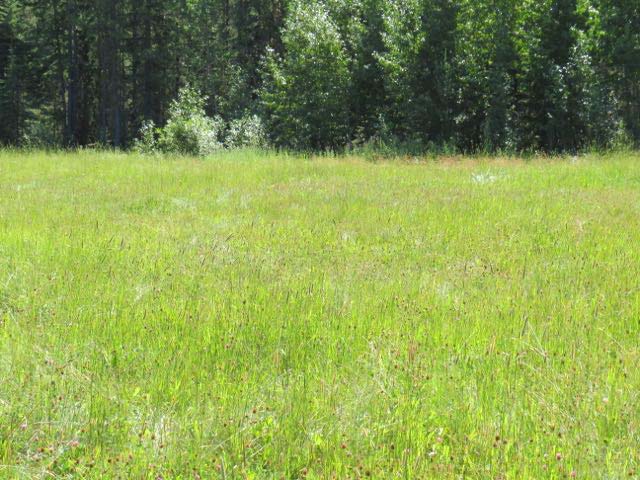
A mountain meadow before cattle arrive
Springtime and new grass and no cattle

We will be continuing with more information coming soon. Keep up your good work writing to the government about your concerns. The Alberta Mountain Horse Society and the horses thank you!

“The Fight to Save Alberta’s Wild Horses”

We would like to introduce Claudia Notzke, PhD, who is a life-long advocate for our Alberta wild horses. She has travelled the world studying and supporting wild horses in different countries, especially here in Canada and Alberta. Her knowledge of wild horses we believe is comprehensive and inclusive. With her permission we would like to share her analysis of the Alberta government’s latest plans on the wild horse management file. We hope when you read her article you’ll be inspired again. The Alberta Mountain Horse Society is in agreement with all her points.

She has several important points you can include if you are writing or emailing government officials. We know it is frustrating to keep getting back their response in a form letter. However, your efforts are important and we appreciate all of you who are working with us to stop any culls or contraception of our beautiful Alberta Mountain Horses.

The Fight to save Alberta’s Wild Horses
Claudia Notzke © 2024

Many Albertans (and Canadians) are unaware that wild horses exist in the Rocky Mountain Foothills. And yet they have been an indelible part of this landscape for more than three centuries, sharing this ancient landscape with the mighty bison prior to their near extinction. The fate of near extinction is being shared by the wild horse. Throughout the 20th century their numbers were reduced to a small fraction of what they once were due to bounty systems, unregulated capture, and indiscriminate killing. Over the past 50 years, under public pressure, attempts were made by the provincial government to remove the most blatantly inhumane elements from wild horse capture, but this has not prevented the
majority of caught animals from being slaughtered, and illegal poaching of horses continues unabated.

After a decade long reprieve (in response to public opposition to unsustainable captures) the Alberta government is planning another cull for this coming winter. This time the cull is being rationalized to the public under the guise of “science-based management”. This approach is being outlined in a 2023 government document entitled “Feral Horse
Management Framework”. This document was subjected to a detailed (peer-reviewed) analysis by Wayne McCrory, an objective, highly reputable and experienced wildlife biologist. His report constitutes a devastating indictment of a government’s failure to adopt a science-based and evidence-based approach to managing the wild horses of Alberta’s
Foothills and extensively documents the government’s lack of transparency and public accountability while being strongly suggestive of institutional bias and lack of objectivity.

After a thorough study of both documents and based on my own almost two decades of researching wild horses in my home province of Alberta as well as throughout Canada and worldwide, I whole-heartedly endorse this eminent biologist’s conclusions. One of his important observations is the fact that the entire government document is long on
assumptions and short on scientific data and proof. The Foothills free-roaming horse population is being isolated and targeted for controversial and questionable control measures with minimal evidence supporting that they are a serious threat to rangeland health. No data or information whatsoever are provided on other contributory factors of
cumulative effects, such as cattle outnumbering the horses 7 to 1, clearcut logging or heavy OHV traffic. No scientific accounting and quantitative information on the level of grazing pressure by 8,544 head of cattle is being provided in the Framework. One of the most disturbing observations is the government’s apparent suppression of its own data
documenting that the majority of range damage is caused by industry and recreational activities. Over the years, McCrory as well as myself have been frustrated by the government’s (and industry’s – in my case forestry’s) inability to document wild horse caused damage to the ecosystem.

Another point that is extremely troublesome is that the entire governmental management approach is based on a faulty premise. The very fact that the Framework remains positioned within the management confines of Alberta’s Stray Animals Act runs counter to the true identity of the free-roaming horses. Neither are they strays, i.e. recent barnyard
escapees, nor are they non-native (like cattle). There is abundant peer-reviewed scientific evidence that would justify a reclassification of these wild horses as a returned native species to an ecosystem that has been home to them for millennia. It is a well-known fact that North America gave rise to the family Equidae (horse!) almost 60 million years ago.
Over a period of hundreds of thousands of years various subspecies and/or ecotypes of Equus Caballus coevolved with their habitat in North America while undergoing extinctions, migrations to Asia and return migrations. North America’s last extinction only occurred about 5,000 years ago, much later than assumed until recently, a mere blink of an eye in
terms of ecological time. Not only is this “big picture” conveniently overlooked by government managers, but Alberta’s Foothills horses themselves are being misrepresented.

They are not strays but animals filling a vacant niche in our Foothills ecosystem. They BELONG- naturally, having returned to their ecological home as well as representing a unique cultural history. A recent genetic analysis of Alberta’s wild horses by reputable equine geneticist E. Gus Cothran of Texas A&M University revealed a strong preponderance
of Spanish breeds ancestry in Alberta’s wild horses in addition to a connection with the Canadian Horse, Canada’s National Horse. Due to indigenous people’s trade (and natural expansion?) these horses entered today’s Alberta long before the first Europeans did, and have mirrored our own history in this province ever since.

They are not ecological misfits but fully integrated in their ecosystem with positive rather than negative impacts on their habitat and other species. They are unique amongst the world’s free-roaming horses in having to contend with a full suite of large predators resulting in an extremely low rate of foal survival. This reality flies in the face of current
governmental management goals. According to the IUCN (The World Conservation Union) Equid Specialist Group a minimum population of 2,500 mature individuals constitutes an important threshold for a species to be considered Endangered. The current count of wild horses in Alberta’s foothills of <1500 individuals is not even close to that. This population is comprised of sub-populations which are not in contact with each other. The past decade without a cull has not resulted in a population explosion but rather shows a dynamic equilibrium typical of many wildlife populations, with some variability. Alberta’s wild horses are very effectively (not to say brutally) managed by natural selection. There is no
need for human intervention, neither by birth control nor removal.

The government’s action plan shows no consideration for the genetic viability of these populations which speaks to the fact that the animals are being managed as a nuisance species rather than a valued ecological and genetic resource. The proposed population thresholds for individual Equine Management Zones in the double digits are a mockery of
sustainable populations for any species, and are not rationalized by any evidence, scientific or otherwise.

In summary, there is strong indication that Alberta’s wild horses are being managed out of existence. The provincial government’s “science-based approach” makes a mockery of science and constitutes a travesty of resource stewardship. It appears to be a purely political move in response to a small but vocal lobby of ranchers, outfitters and forestry
interests while running roughshod over a large number of other stakeholders: a rapidly increasing number of photographers and artists whose vocation is inspired and nurtured by wild horses; the many recreationists whose overall experience is enriched by an encounter with wild horses; the large number of tourists -domestic and international- who
come to pay homage to this widely acknowledged symbol of freedom and western heritage; and the countless Albertans and Canadians who may never see a wild horse and yet are inspired by the very existence of wild horses leading self-determined lives.


Claudia Notzke Ph.D.
The author is a geographer, Professor Emerita at the University of Lethbridge AB, wild
horse researcher and lifelong equestrienne.

A Year With The Alberta Mountain Horse

As the year draws to an end, it has been our pleasure and enjoyment to share pictures and stories about our Alberta Mountain Horses with you. DNA research shows that these horses are indeed very unique to our Alberta foothills and mountains. They played a large part in the history and development of our province and are worthy of our protection. It is for these reasons that we believe in order to have proper management they need their own distinct designation and that is what our group – the Alberta Mountain Horse Preservation Society – is stiving to obtain.

We have put together a 15 minute video, set to music, showcasing the beauty of these magnificent wild horses. It takes you through all 12 months of the year. Enjoy!

Did You Know – Part 2

Recently the Feral Horse Advisory Committee (FHAC) was emailed regarding the minister’s public announcement about the next steps in implementing the feral horse management framework. This includes the removal of 30 horses from EMZs in the “red zone located along the Eastern slopes and the contraception of up to 90 more horses in those same areas. In this message, the writer indicates that the committee made a compromise of recognizing feral (wild)horses on the landscape with a “green” level of 1119 horses as an acceptable level of feral horses on the landscape.

We feel it is imperative that the government provide specific information as to where the horse population limit of 1119 comes from, and where the scientific evidence is that would back that number. Especially since published scientific studies are already in place – The McCrory Report and the de Kock Report – both of which  have been presented to the government – that indicate that the horses are not the reason for ecological damage to the west country.

According to the last government Equine Area (EA) counts in the spring of 2024 and the same government department’s predetermined maximums thresholds per EA, they should only be removing 17 horses. 6 from the Clearwater EMZ and 11 from the Elbow EMZ as those two areas are the only areas in which the level 2 threshold has been exceeded. However and in reality – since the horses are a nomadic species, who easily travel from one zone to another, multiple times in any given week or month, the government cannot in all good faith, realistically use broken out numbers per each EA to determine removal. If the government cannot provide indisputable, scientific evidence indicating the entirety of the 6 equine zones can only ecologically handle the combined Threshold 2 number of 1760 horses, then there should be no removal or management. Currently, there is a total count of 1478 horses between all 6 EMZs, which is well below the stated Threshold 2 level.

In addition, we would like to know – Who is going to capture these 30 horses and from where will they be removed? Where are they going once captured? Our understanding is that WHOAS is already at capacity and having trouble adopting out the horses already on site. They also do not, to the best of our knowledge, currently have anyone with both the capability and the experience required to capture wild horses, nor do they have any full time qualified people on site who are physically capable and knowledgeable of properly handling these horses. So in our opinion, that is no longer a viable solution for any captured horses.

Who is going to administer the contraception to the proposed 90 mares? In what area(s) will they be administering the contraception and which contraceptive product are they proposing to use?

Furthermore – The gov’t counts are indicating that the Clearwater EMZ increased from 97 horses in 2023 to 156 horses in 2024. That’s an increase of 59 horses in one year. Clearly the majority of these horses have migrated from the Sundre Equine zone to the Clearwater zone, since coincidentally, the Sundre EMZ is down by 130 from last year’s numbers. At least these were where the horses were during last year’s count. Otherwise it’s fair to say we are talking about a zero mortality rate for the Clearwater zone and a survived reproductive rate of 61% of the previous year’s population! Unheard of!! In addition, according to the last counts, the Elbow EMZ has apparently had a zero mortality rate and a surviving reproductive rate of 33% in order to have jumped from 84 horses in 2023 to 111 horses in 2024!  Also – unheard of!! There’s something fishy in River City is all I’m sayin…….. So – according to the government counts, and assuming horses respect invisible EMZ boundaries (!) I  guess 130 horses died in the Sundre EMZ and no foals were born or survived?

Let’s recap. The total count of horses in 2023, for all 6 zones, was 1512. The total count in 2024 for only 4 zones, was 1478. If we include the 2023 counts for the other two zones for 2024, the total would have been 1529 for all 6 zones in 2024. Even with these ridiculous counts, that represents only an increase of 16 horses. In 6 zones. And the maximum number of horses in all 6 EMZ’s according to the government’s “Threshold 2” numbers is 1760. So we are still well below Threshold 2, which by the way – has yet to be scientifically proven as a legitimate ecological “threshold”.

(We will note, the only zone we could remove from the cumulative total counts for the 6 zones would be Elbow as there is no easy way for wild horses to migrate between other zones to or from the Elbow EMZ.)

Because these numbers just smelled wrong on a scientific level, we decided to do some “counting” of our own! If we calculated the expected horse population change from 2023 to 2024 – based on scientific information from the McCrory and the de Kock reports, the following can be assumed:

  • Adult survival rates are roughly 75 – 80%
  • Reproductive rates are roughly 50-70%
  • Foal survival rates are roughly 10 -30% in harsh environments, 30 – 50% in less harsh environments.

So let’s do the math! In 2024, 1478 horses were counted, 166 of which were subadults. This represents about 12% of the total population. Using those same numbers and applying the percentage of subadults to total horses counted, we could assume in 2023 that:

  • Of the 1512 adult and subadult horses counted, only 80% (on the high end) would have survived to 2024. That equals 1210 horses.
  • Of those horses, it’s fair to say that 12% are sub adults, which brings our mature horse count to roughly 1065.
  • Of those mature horses, let’s say 60% of them are mares. That’s 639 mares of breeding age. Using a high rate of 70% of those mares successfully reproducing, we would have 447 foals on the ground in the spring.
  • Of those 447 foals, the survival rate is on average 30%, between the more harsh and less harsh environments. That means roughly 224 foals survive. Which brings our total count to 1210 mature and subadult horses plus the 224 surviving foals.

This all calculates out to about 1434 horses in all 6 EMZ’s in 2024 vs 1512 in 2023.

We are not saying our numbers are spot on – but it makes a person think, doesn’t it? Obviously, there are environmental changes from year to year that affect survival rates that might make a population surge and dwindle, but all of that happens mostly through nature without interference from government , etc. In fact, the more interference there is, the more screwed up the balance of nature becomes and the more issues are created.

So what can you do?

Please help our Alberta Mountain Horses!

Please send your concerns and questions to the Minister:

Todd Loewen, Hon., MLA
Minister of Forestry and Parks
Office of the Minister
Forestry and Parks
323 Legislature Building
10800 – 97 Ave
Edmonton, AB T5K2B6
email: fp.minister@gov.ab.ca

Also, forward you questions to the Premier:

Danielle Smith, Premier
307 Legislature Building
10800 – 97 Ave
Edmonton, AB T5K 2B6
email: premier@gov.ab.ca

Did you Know? – Part 1

Where did the wild horses come from?

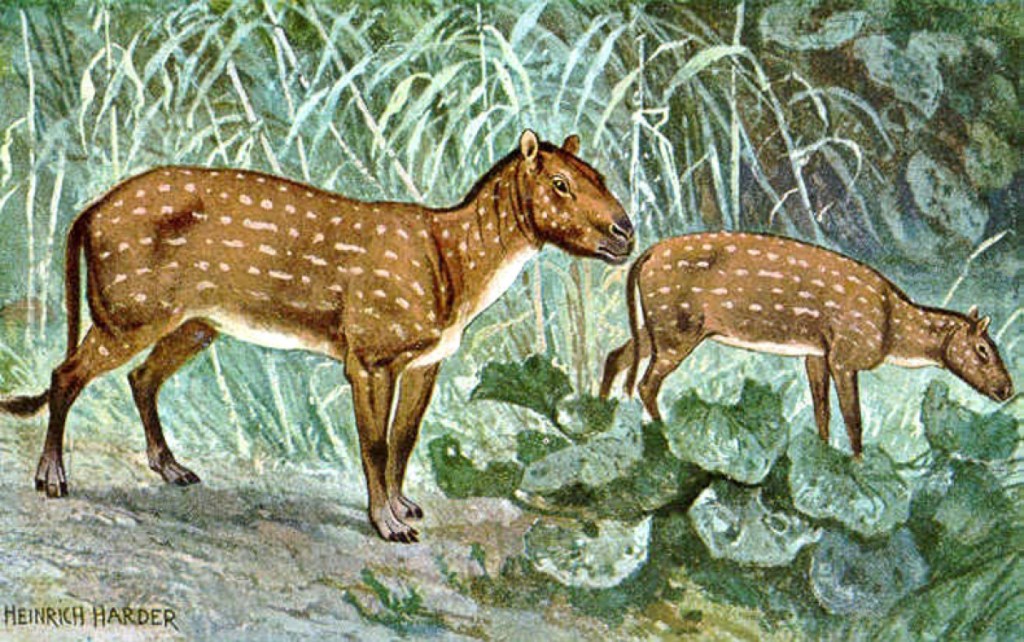
Some 10 million years ago, up to a dozen species of horses roamed the Great Plains of North America. These relatives of the modern horse came in many shapes and sizes. Some lived in the forest, while others preferred open grassland.

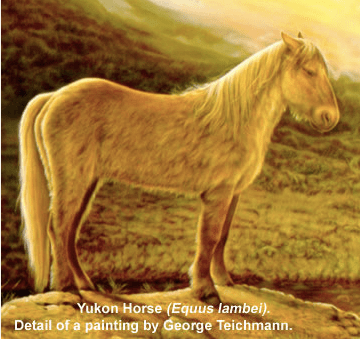
No matter what the breed of horse the fact of the matter is that they all originated on the North American continent. As the evolution of the horse took place, they evolved into what was the Yukon Horse (Equus lambei) which is said to have gone extinct 8 to 10 thousand years ago. This was the forerunner of the modern horse (Equus Caballus). 

What I was taught and the history books state that horses were extinct in North America until reintroduced by the Spaniards in the 1500s. From their reintroduction it was believed that our First Nations people started to obtain the horse from the captured and/or escaped Spanish settlers.

Is this in fact true? Previously all this history was based solely on the white man’s accounts. Now new archeology research is showing that the horses may have been here in North America prior to the Spaniards arrival. Research from the University of Colorado and highlighted on a PBS documentary (https://www.pbs.org/video/native-horses-zwibqv/)  “Colorado Experience/ Native Horses”, season 9, episode 903, is casting a new light on these beliefs. What was always missing was that the native people were never included in the archaeology history and it was solely on the rich white man’s opinion. Native verbal history is indicating that the horses were here before they saw the first conquistadors.

It is noted that in the early 1800s it was estimated that over 1,000,000 horses were running free over the North American plains.

So now “science and indigenous stories are coming together to tell the true story of the horse in First Nation’s history.” Indigenous history was always looked down upon because it was just word-of-mouth, not written down. What this new archeology research that is being done in Colorado has shown is that their oral tradition matches the archeological finds.

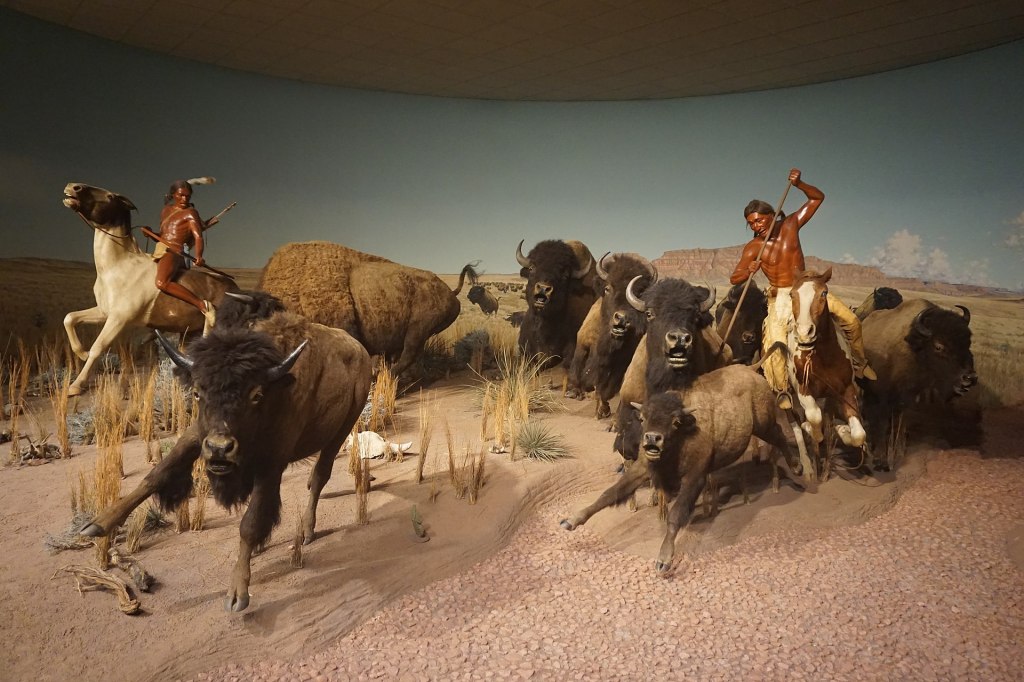
Visiting Head Smashed-in Buffalo Jump Interpretive Centre (www.headsmashedin.ca), tells the amazing story of how the horse transformed native culture.

The knowledge keepers of the First Nations People have tried to tell these stories for generations and only now is it being recognized. Therefore with this new knowledge it highlights the importance of our wild horses as part of not only indigenous culture, but also our history here in Alberta. Horses always played a significant role in our heritage.

When the FHAC committee was struck in 2013, what was always missing was the indigenous viewpoint. Finally when it was restarted a representative from the Stony Nation was included on the committee. The government kept insisting how important it was to have his input. I was always impressed by his knowledge and insight of the lands and the horses. One of the things he did state was that horses have been here a lot longer than was being said by the government and other stakeholders. No matter what he stated, his traditional First Nations knowledge about the wild horses and their cultural, historical and ecological role has been excluded in the government management framework.

Why? I believe it was because he was against the cattle being allowed to graze on their traditional lands. So just as the government had done to those opposing grazing leases, this input was ignored.

So the role of the Alberta Mountain Horse is important and should be preserved and shared by all for future generations. They deserve our respect. Don’t you agree?

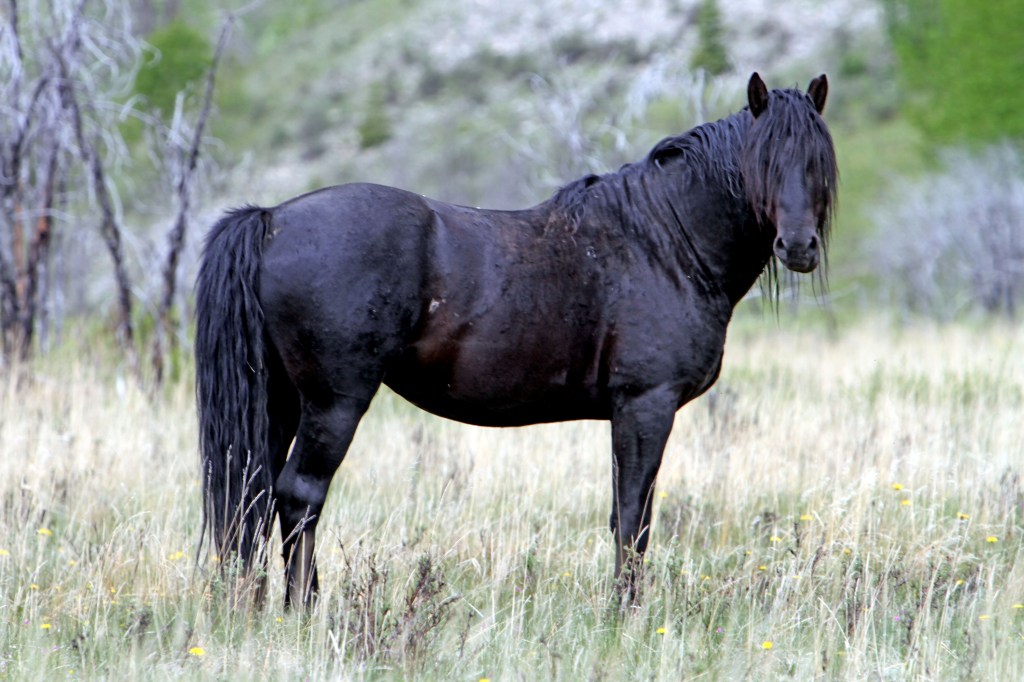
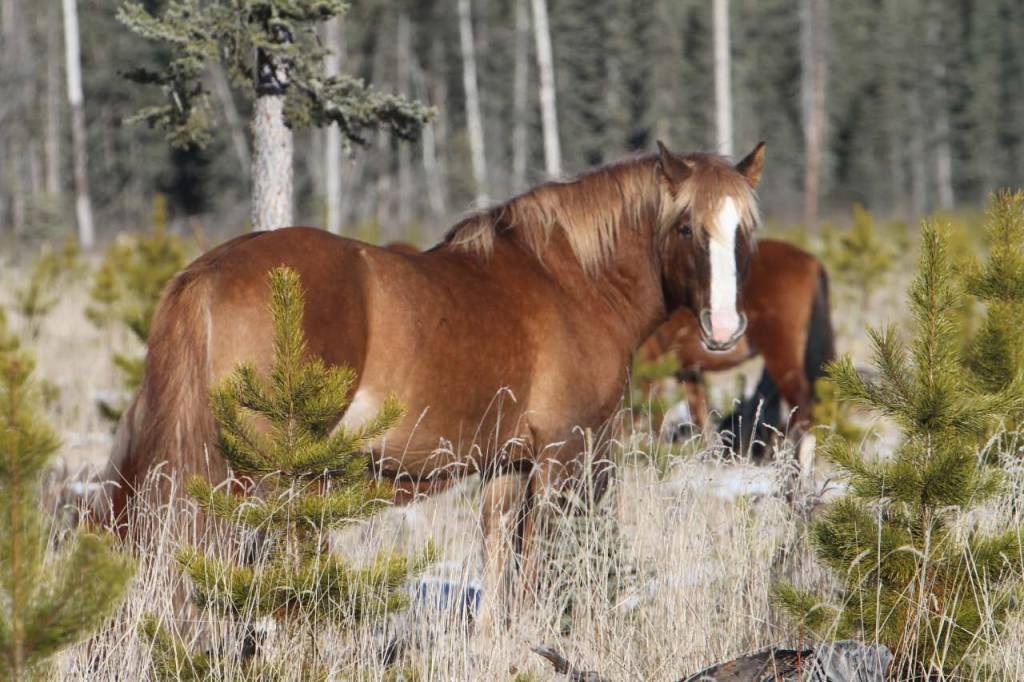
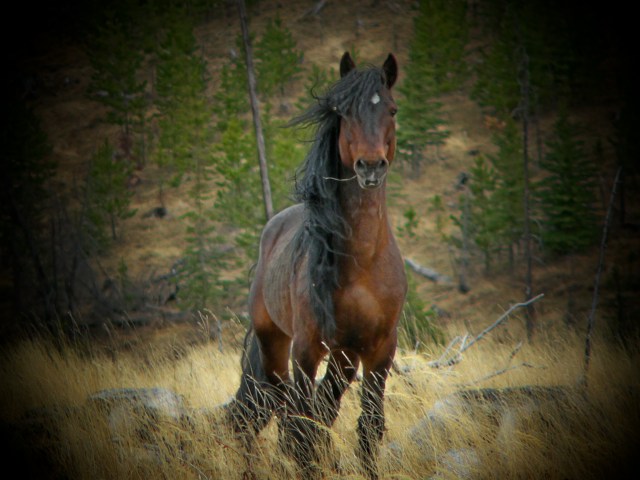
A beautiful Alberta Mountain Horse stallion.

Misinformation !!

As one of the original members of the Feral Horse Advisory Committee (FHAC) which began in 2013 and,it was established to provide guidelines to the Alberta government for the management of our wild horses. During all this time I would become upset over a lot of the misinformation being put forth by other stakeholders and government officials about the wild horses and their effect on the landscape. It was quite evident to myself and some others that so much of the information was directly misrepresented and was formed by preconceived prejudices against the horses.

Recently just last week the Minister, Todd Loewen, was on local TV stating that the wild horses were “wrecking the landscape.” It is obvious to us and other horse advocates that he has not been out west personally to witness what is truly happening to the environment. The government officials, including the Minister and cattle lease holders are so quick to blame the horses for all the degradation of the landscape.

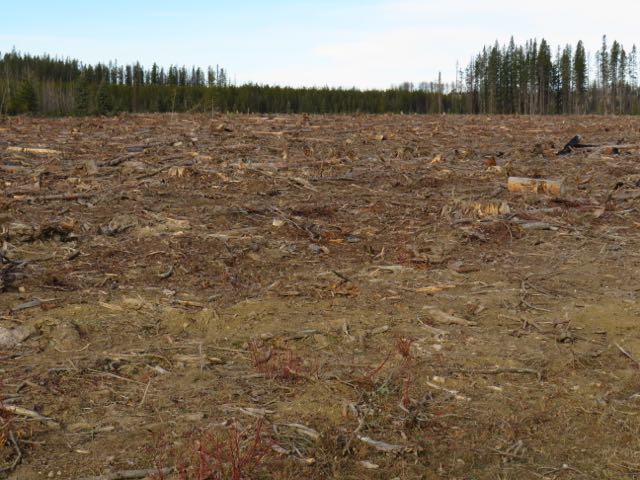
Now tell me is it the horses that have ruined this area?

This picture shows what clearcut logging can do to these areas which effects all animals that call this area home. It will take a very long time for these areas to heal.

Also in the news report it talks about the number of horses increasing from 10 or so years ago to present day. And the government is saying that it is a concern. It is because of these massive clearcuts happening that the horses are becoming more visible especially when aerial surveys are done by the government. You only have to look at satellite images to witness how much of our Alberta foothills have been cleared. It is truly astounding!

Newspaper reports and other sources have reported that there always has been a large number of horses in certain areas. It is only now that the horses are being forced into these areas.

What the intentions of our society to do is to document and show that the arguments that the government and other stakeholders use against the horses are not based on fact. In the FHAC meetings that have taken place over the years, concerns brought forth by myself and others about the discrepancies and misinformation about the horses doing damage have been completely ignored. They say one thing to your face, and then do nothing because they do not want to hear it.

Truly it is not the horses we should be concerned about. We will continue to document and post facts to outline our points and you can make up your own mind about this whole issue.

Lest We forget

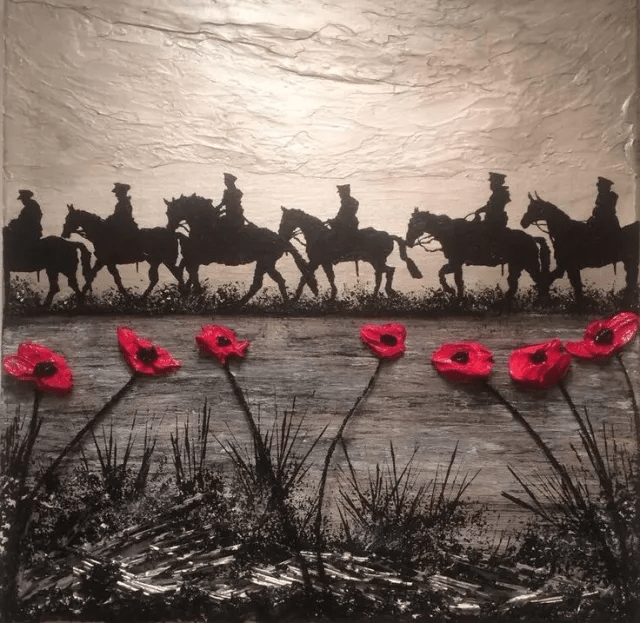
On November 11 we mark a somber occasion and take time to remember our brave men and women who have fought and died for the freedom we have in this country. We must also remember and say thank you to all those that still serve in armed forces to protect our freedom, even today.

We should also take time out to reflect on all the animals that have died in all these conflicts trying to serve us and protect us.

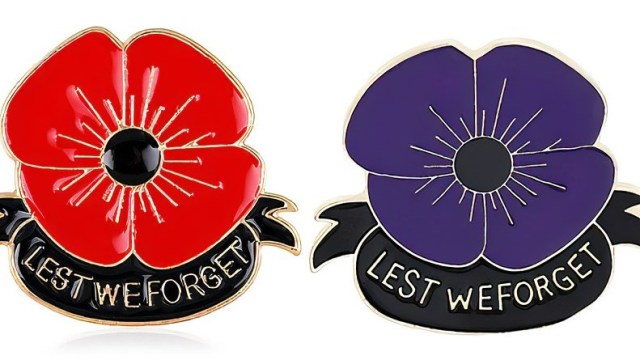
The red poppy signifies our respect for our veterans who sacrificed their lives for our country and the purple poppy signifies our gratitude for all the animals that have served us in our fight for freedom.

Some of the Alberta Mountain Horses roaming free and wild in our Alberta foothills and mountains are direct descendants of horses that were rounded up and sent overseas to be used in World War I. 480,000 horses died in World War 1 (WWI), three-quarters of them from the extreme conditions they worked in. At the start of the war, the British Army had 25,000 horses. Another 115,000 were purchased compulsorily under the Horse Mobilization Scheme. Over the course of the war, between 500 and 1,000 horses were shipped to Europe every day. Canada sent about 130,000 horses overseas during WWI. By the end of the war, Canada had provided well over 10 per cent of the horses used on the Western Front.

Although many horses were taken from farms and ranches hundreds of others were wild horses that were rounded up by government wranglers in areas around the Red Deer River and YaHa Tinda. Glenbow archives records shows pictures of these roundups.

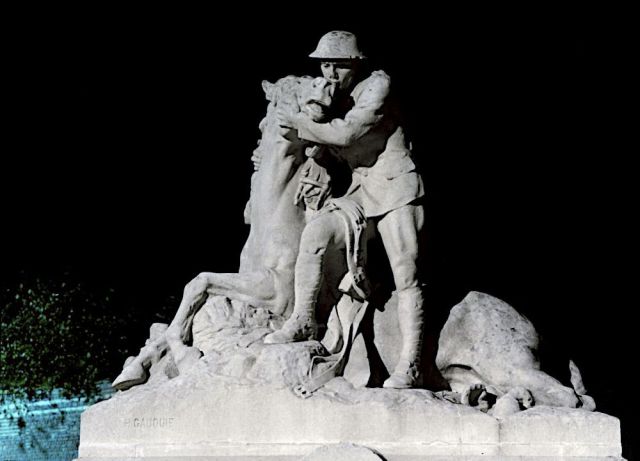
Besides the horses used in battle, there were dogs, donkeys, mules and birds that were part of the war and tried to help us in our fight for freedom. Millions of animals died in the war due to shelling, poisonous gas, disease and starvation. None of the wild horses that were rounded up and sent overseas ever came home.

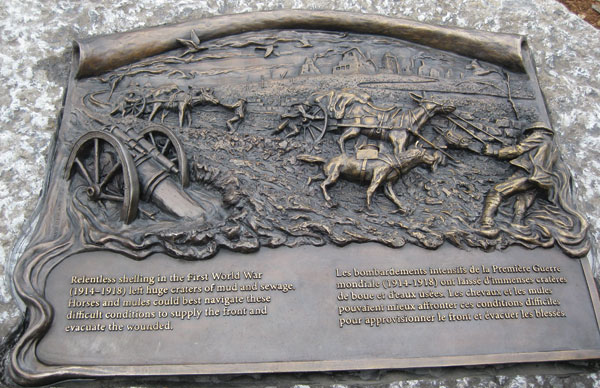
Canadian Animals In War Memorial

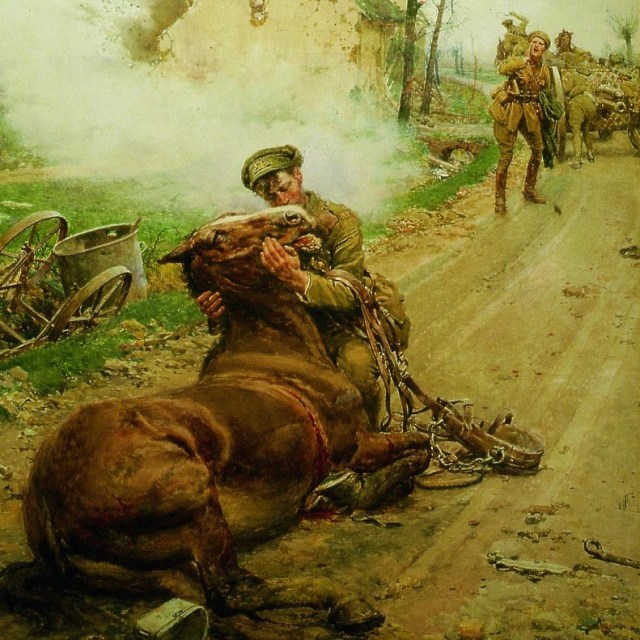
“Goodbye Old Man”
The wild horse

So as we reflect on this day to remember all those who gave us our freedom and still serve to protect us, lets also remember the animals who played a huge role in it too.

Our society is dedicated to trying to assure that our wild mountain horses remain free and wild. They should be recognized for the role that they have played in our history and heritage. So just as their descendants fought to preserve our freedom, the Alberta Mountain Horse Preservation Society will fight to preserve theirs. They deserve it. So thank you to all our fallen heroes.